By Freddie Sankey · Former Royal Marines officer
What the instructors are watching while you look at the view
A guided day looks relaxed from the inside. Here is the running assessment going on behind it, and why it is the thing you are paying for.
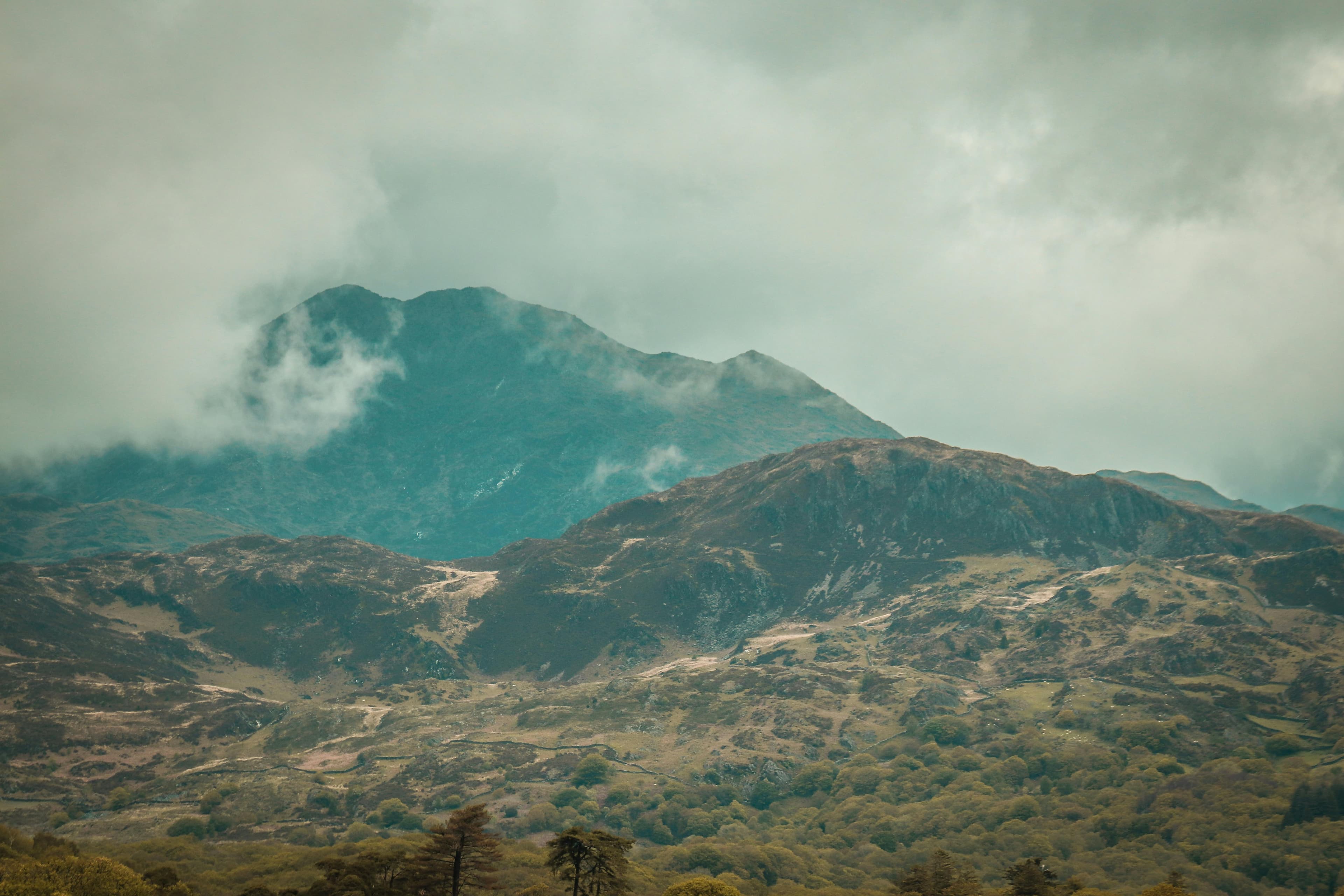
From the inside, a well run mountain day feels like a walk with someone who knows the way. That is the intended effect, and it hides a fairly relentless amount of work.
If you have ever wondered what you are paying for on a guided trip, this is it. Not route knowledge. Route knowledge is the cheap part, and it is on a map.
The back of the group
The first and most constant thing is the person at the back. Pace is set from there, not from the front, and it gets adjusted continuously. A group that is strung out over four hundred metres is a group that is about to have a problem, and closing that gap is usually a matter of a slightly slower pace an hour earlier rather than a rest stop once it has opened.
Instructors also watch how the back marker is moving, not just how fast. Shortening stride, stumbling on easy ground, using hands on ground that does not need them. Those are fatigue signals and they show up well before anyone says anything.
Who has stopped talking
Chatter is a useful diagnostic. People who were talking for two hours and have gone quiet are either deep in their own head, which is fine, or running out of fuel, which is not. A quiet person gets a question, and the question is rarely about the view.
Most people will not volunteer that they are struggling. They will say they are fine until they are conspicuously not. Which is why the question gets asked early and repeatedly, and phrased in a way that is easy to answer honestly.
Food and water going in
Nobody eats enough on a hill day. Appetite drops at altitude and in cold, effort suppresses hunger, and people forget. The consequences show up two hours later as a total collapse in mood and pace that feels, to the person experiencing it, like a personal failure rather than a blood sugar problem.
So instructors count. They notice who has not touched their bag at the last two stops, and stops get called before people want them rather than when people need them.
Layers, before anyone is cold
The layer decision is always made early. Waterproofs go on before the rain arrives, not after, because a soaked base layer stays soaked for the rest of the day. Layers come off at the bottom of a climb rather than halfway up it, because sweat is the thing that makes you cold later.
Watching for the person in a t-shirt at a windy col who has not noticed yet is a large part of the job.
The sky and the wind
Cloud base, and whether it is rising or dropping. Wind direction, and whether it has changed, because a change is usually the leading edge of something. How far you can see compared to an hour ago. Whether the forecast is delivering what it promised, and if not, in which direction it is wrong.
A forecast is a plan. What is happening in front of you is the data, and when the two disagree, the sky wins.
The clock
There is a turnaround time on every day, set before anyone leaves, and it is not negotiable by enthusiasm. It is worked backwards from darkness, from the descent time, from how long the group will take when tired rather than how long it took on the way up.
Most of the serious situations in UK mountains are not caused by difficult terrain. They are caused by people being on it later than they intended, in worse light and worse weather than they planned for.
“Almost every decision on a mountain day is made an hour before it looks necessary. That is the whole discipline.”
Where the escape routes are
At any point on a route, a good instructor can tell you how to get off the hill from where you are standing, and roughly how long it would take. Not the way you came. The fastest safe way down, which is often a different valley entirely.
That map is being updated continuously as the group moves, and it is the reason a change in plan on a guided day feels calm rather than dramatic. It was never an improvisation.
Why this matters for you
None of this is about being looked after. It is the difference between a day where the weather turned and you had a brilliant time anyway, and a day where the weather turned and you spent four hours cold, lost and frightened.
It is also learnable. Watching how these decisions get made, and asking why, is the fastest route to being able to run your own days. Which is the point of a skills weekend, and the reason we would rather you asked questions than admired the view in silence.
Jove Club
Watch how the decisions get made.
Our skills weekends teach navigation, route choice and weather judgement on real mountain terrain. You leave able to plan your own days.
Browse trips
Freddie Sankey
Founder, Jove Club · Former Royal Marines officer
Freddie founded Jove Club after six years as a Royal Marines officer and six more in finance. He's a qualified outdoor instructor and running coach, guides many of the Jove trips himself, and trains with the group in London every week. In his spare time he's drawn to mountaineering, physical challenges and multi-day adventures.
More about Freddie →
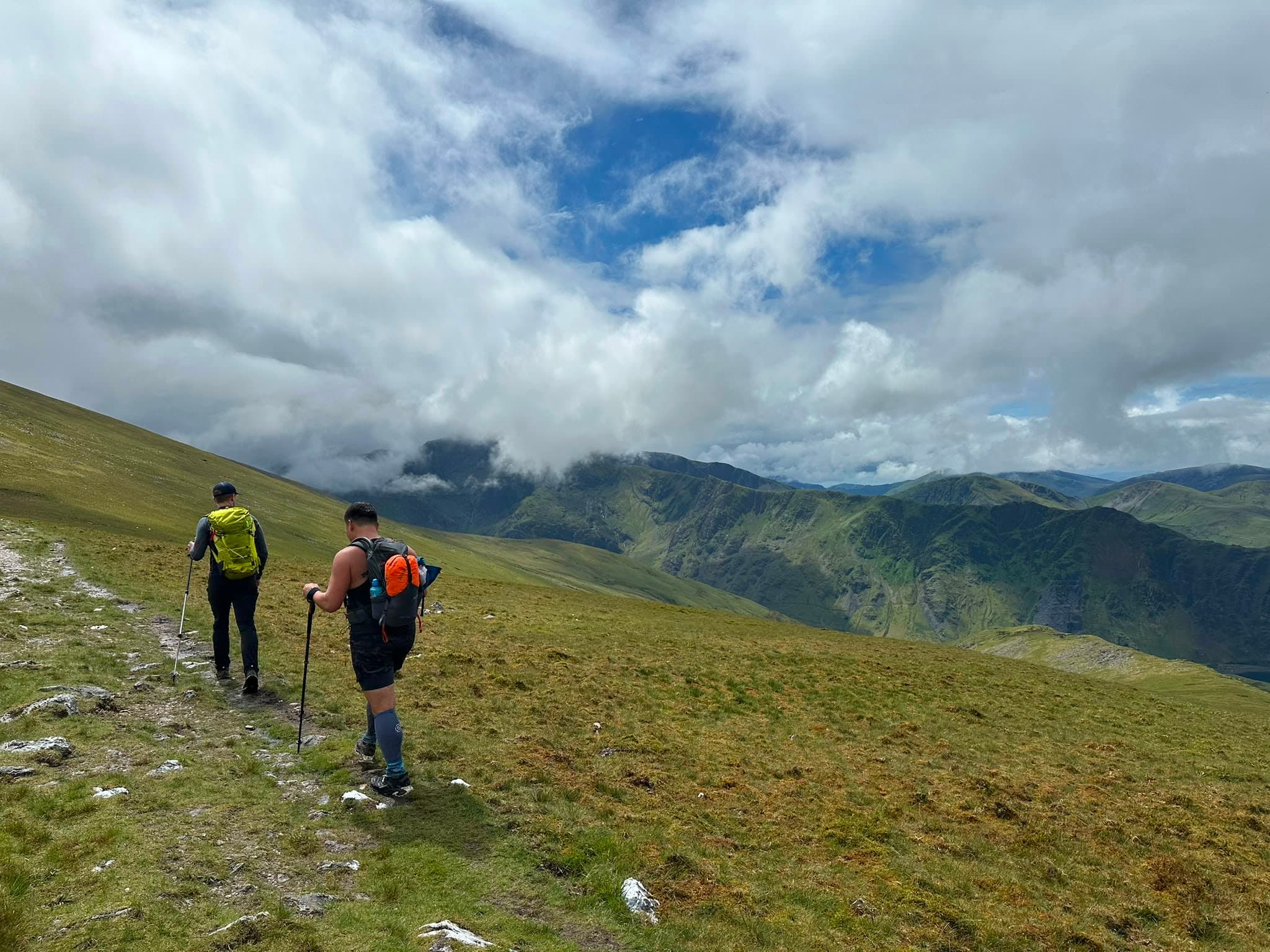
Ready for the real thing?
See what trips are coming up.
Guided by qualified instructors. Small groups. All abilities.
Browse trips