By Freddie Sankey · Former Royal Marines officer
Am I fit enough for a mountain weekend?
The most common question we get before a booking, and the one people are most embarrassed to ask. Some real numbers, and what the day asks of you.
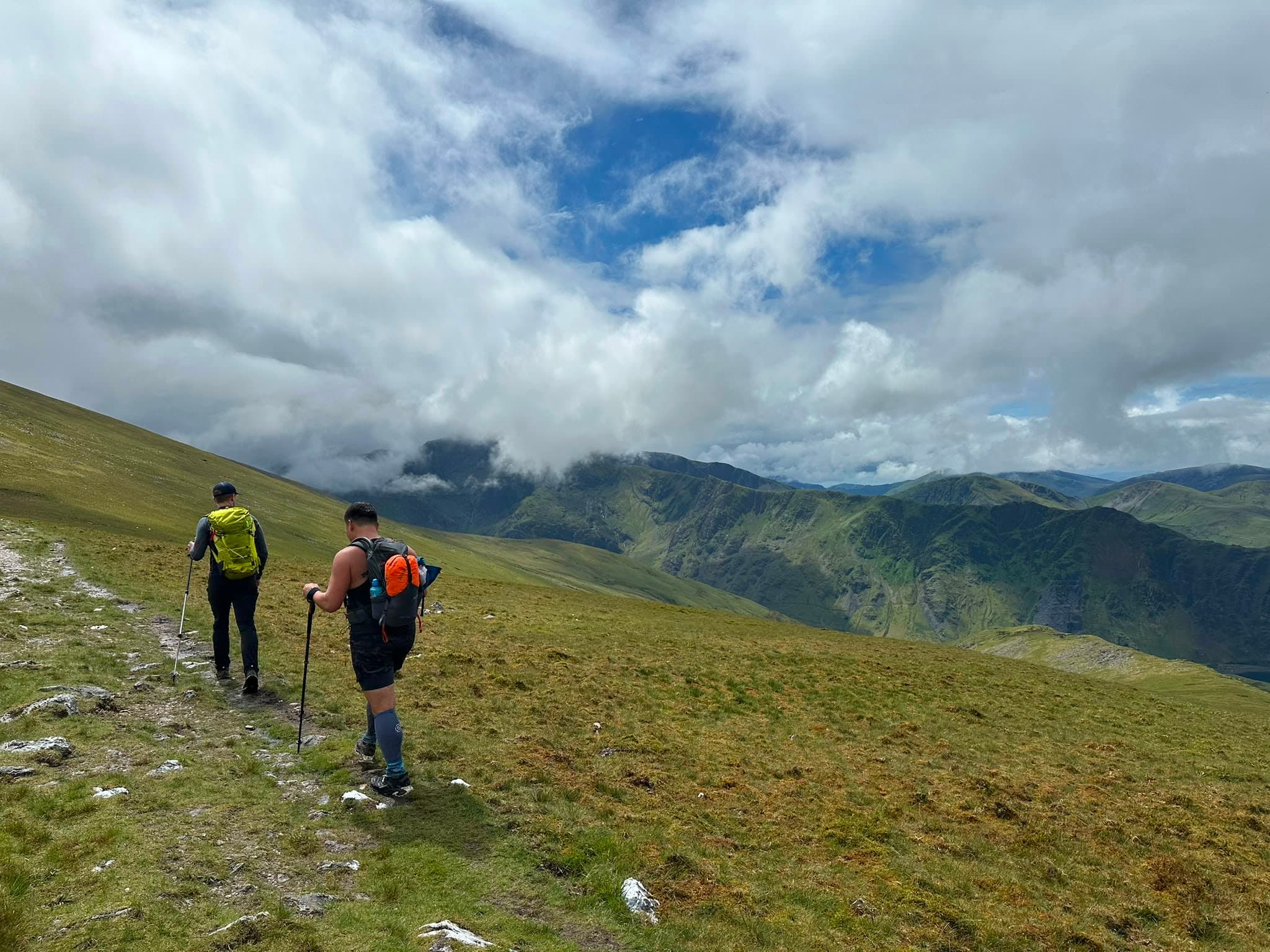
This is the question we get asked more than any other, and it is almost never the real question. The real question, nine times out of ten, is: will I be the slowest, and will everyone have to wait for me?
Both are worth answering properly.
What a mountain day asks for
Hill days are an endurance event with very little speed in them. A typical weekend day is somewhere between six and nine hours of walking, most of it slower than you would walk to a train you were late for, with a few thousand feet of ascent and some ground that is uneven underfoot.
That combination rewards a different thing than most gym training does. You do not need a big engine at high intensity. You need to be able to keep going at a low intensity for a long time, on tired legs, while carrying a pack, and then get up and do it again the next morning.
- , Time on feet matters far more than pace
- , Downhill does more damage to untrained legs than uphill does
- , Day two is the real test, not day one
- , Being able to eat and drink while moving is a skill that separates comfortable days from miserable ones
Rough benchmarks, by trip
These are not entry requirements and nobody is going to test you. They are a way of calibrating yourself honestly.
Skills weekends and beginner hill days
If you can walk for four hours on undulating ground without it wrecking you, you are fine. That is genuinely the bar. Something like a long walk in the Surrey Hills or a full day around Hampstead Heath and back is a reasonable proxy. Most people who worry about this are already past it.
Longer hill days and traverses
Here you want to have done a 20 to 25km day at some point in the last few months, ideally with some hills in it and a pack on your back. If you have not, six to eight weeks of one long walk or run a week will get you there.
Challenge days
The Welsh 3000s and the Lyke Wake are a different animal. They ask for 12 to 24 hours of continuous effort and you want a real base behind you: consistent weekly training for several months, at least one very long day already completed, and some experience of what happens to you at hour ten.
What to do with six weeks
If you have a trip booked and you want to arrive in better shape, the plan is boring and it works.
- 1.One long walk or slow run a week, building from 90 minutes to three or four hours. This is the session that matters most.
- 2.Two shorter sessions in the week. Anything aerobic you will turn up for. Running, cycling, brisk hill repeats on a local slope.
- 3.Two strength sessions. Squats, step-ups, lunges, deadlifts, carries. Legs that can absorb repeated downhill loading is the goal.
- 4.Wear your boots and carry your pack on at least three of the long sessions. Kit problems are easier to solve at home than on a Welsh hillside.
Two things people skip and then regret: descending, and back-to-back days. Find some steep downhill and do it deliberately. Once, do a long Saturday followed by a decent Sunday, so the second morning is not a surprise.
The waiting question
Groups are small, typically six to ten people, and they are not all the same speed. They never are. The instructor sets a pace off the back of the group, not the front, and that is the whole job. If you are at the back, you are setting the pace, not falling behind it.
Nobody stands around tapping their foot. The strong walkers on any given weekend are usually delighted about a slightly slower day, because it means more time on the summit and more time looking at where they are.
“The pace of a group is the pace of the person at the back. That is not a compromise, it is how you run a safe day in the hills.”
And if the honest answer is no
Sometimes it is. If you have not done anything physical in two years and you are eyeing a 45km challenge day, the trip will not be enjoyable and it might not be safe.
But that is a scheduling problem, not a verdict. Book the thing you can do now and the bigger thing for next season. Nothing on our calendar requires you to have done anything else with us first, so there is no ladder you are obliged to climb. It is simply easier to enjoy a hard trip when you have some hill days behind you.
For the longer version of how to build that base, read: how to build an aerobic base
Jove Club
Start where it is designed to be started.
The Jove Weekender is two days of navigation and hiking skills in the Peak District, built for people with no mountain experience. Kit pack and Saturday dinner included.
See the next dates
Freddie Sankey
Founder, Jove Club · Former Royal Marines officer
Freddie founded Jove Club after six years as a Royal Marines officer and six more in finance. He's a qualified outdoor instructor and running coach, guides many of the Jove trips himself, and trains with the group in London every week. In his spare time he's drawn to mountaineering, physical challenges and multi-day adventures.
More about Freddie →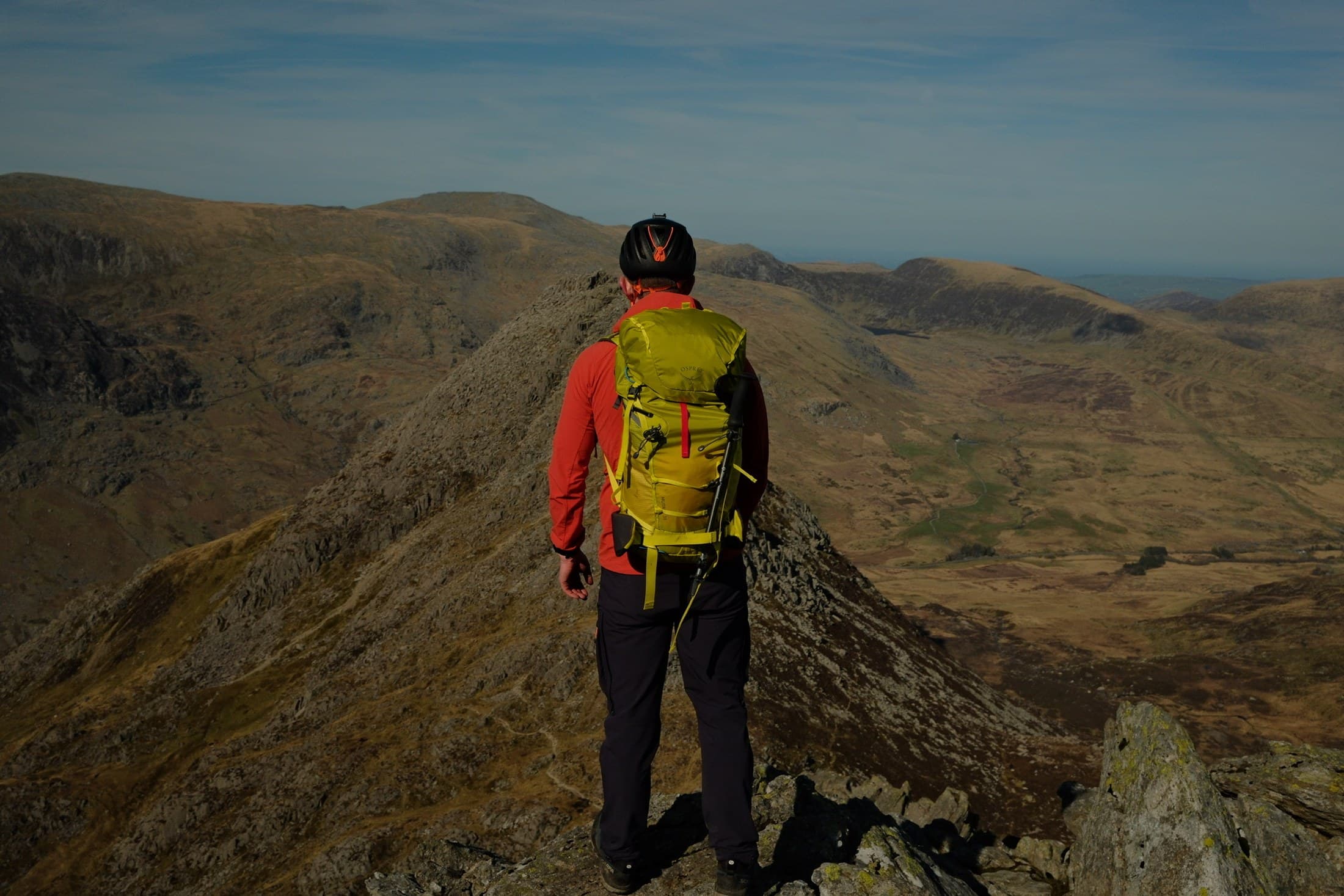

Ready for the real thing?
See what trips are coming up.
Guided by qualified instructors. Small groups. All abilities.
Browse trips