By Freddie Sankey · Founder of Jove Club
Choosing a wild camp: five things to check before you pitch
A good pitch is the difference between a great night in the hills and a miserable one. Here's what to check before you drop your pack, in the order I'd check it.
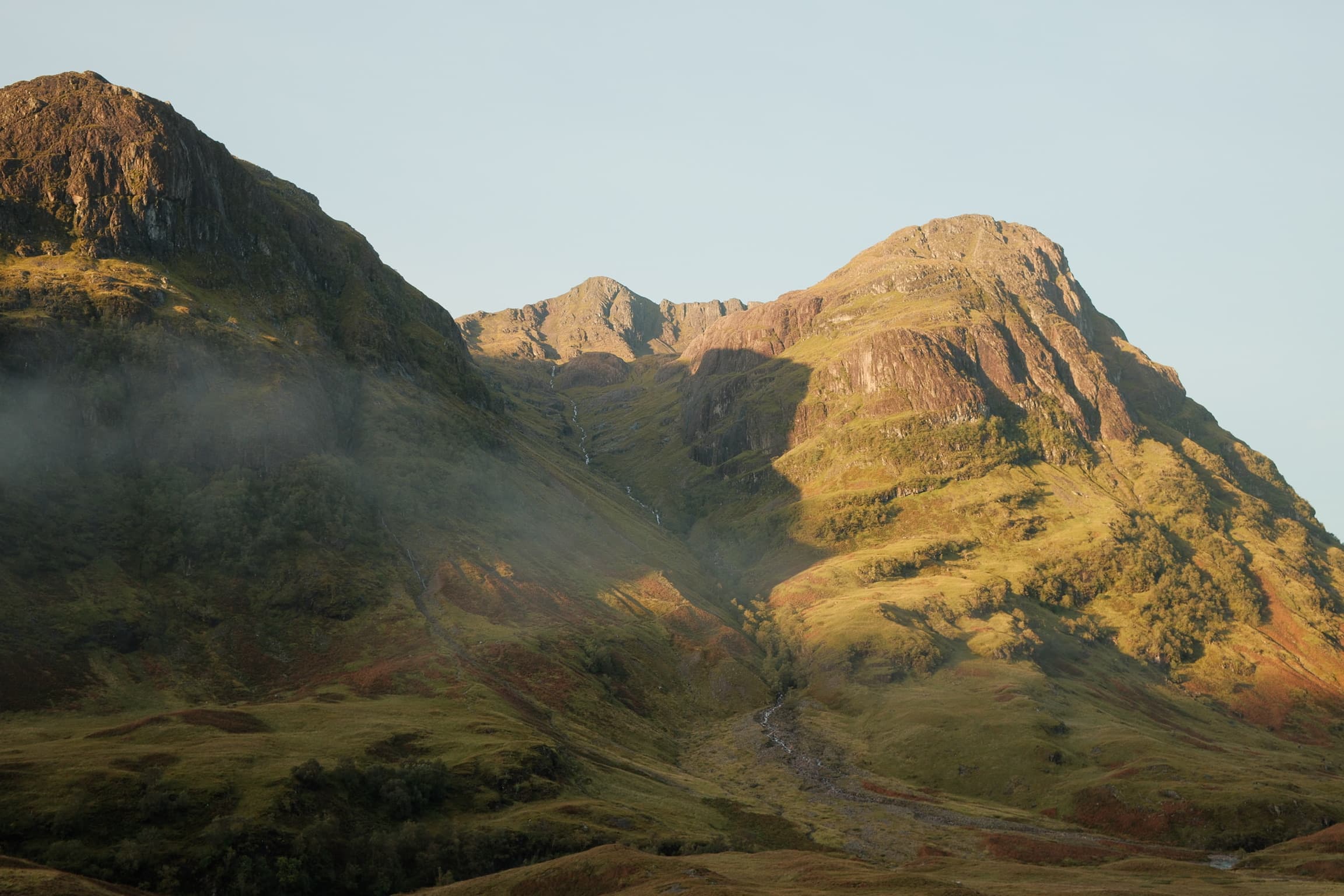
You can walk twelve miles, find a spot that looks perfect on the map, and still have a rubbish night, because you pitched in the wrong place. Choosing where to camp is a skill, and like most outdoor skills, it's mostly about knowing what to check and in what order.
There's a long list of things you could think about. In practice, five of them decide whether you sleep well or spend the night regretting your choices.
1. Is it allowed here
Start here, before anything else. Wild camping is legal in most of Scotland under the right to roam, pitch sensibly, away from roads and houses, and you're fine. In England and Wales it's a different story. Dartmoor is the one place it's genuinely a legal right. Everywhere else, it's tolerated rather than permitted, and that tolerance depends entirely on you doing it properly: high up, away from farmland and dwellings, one or two nights only, gone by mid-morning.
If a landowner or farmer asks you to move on, move on. It's their land, and arguing the point ruins it for the next person who wants to camp there.
2. Water, close, but not too close
You want to be near a stream. Cooking and drinking water is heavy to carry, so pitching near a reliable source saves you carrying litres you don't need. But near doesn't mean next to.
- •Pitch at least 50 metres back from the water's edge, noise, midges, and flood risk all get worse the closer you are
- •Filter or treat anything you drink, even if it looks clean, you have no idea what's upstream
- •Avoid streams running through obviously grazed land, livestock upstream means contamination, whatever the water looks like
3. Ground that drains
Flat is obvious. Drainage isn't, and it's the one people get wrong most often. A valley bottom looks like the sheltered, sensible option, flat, out of the wind, close to water. It's also where cold air pools overnight and where rain collects fastest if the weather turns.
Look for slightly raised, firm ground, a shoulder or a bench in the hillside rather than the lowest point around. Check for grass that's slightly domed rather than in a dip, and avoid anywhere that looks like it channels water even if it's bone dry when you arrive.
4. Shelter from the wind
Wind ruins more nights than rain does. A rock outcrop, a bit of contour in the land, a line of trees, anything that breaks the wind without boxing you in completely. Ridgelines look spectacular and camp badly; you're exposed on every side and the wind rarely drops overnight.
One thing to actually check before you pitch under trees: look up. Dead branches come down in wind, and a widowmaker doesn't care how tired you are.
5. Out of sight
Wild camping works because it's low impact and low visibility. Pitch somewhere you can't be seen from the path, the road, or the nearest house. Arrive late in the day, leave early the next morning, and by the time anyone else comes through, there's no sign you were there.
- •No fires on peat or moorland, the ground itself can catch and burn for weeks
- •Dig a proper toilet spot, well away from water
- •Pack out everything you brought in, including anything you find that isn't yours
“Leave the spot so the next person who finds it has no idea anyone camped there. That's the whole standard.”
Altitude, exact distance from your route, tomorrow's forecast, all worth a thought, but they're refinements. Get legality, water, ground, wind, and discretion right, and you'll have a good night in the hills. Get one of them wrong, and you'll remember it for the wrong reasons.
For the full legal picture across England, Wales, and Scotland, plus kit and how to start, read our complete guide: wild camping in the UK
Jove Club
Learn it properly, on the hill.
Our expeditions are led by a qualified instructor who picks the ground, reads the weather, and teaches you to do the same.
Browse trips
Freddie Sankey
Founder of Jove Club
Freddie founded Jove Club after six years as a Royal Marines officer and six more in finance. He's a qualified outdoor instructor and running coach, guides many of the Jove trips himself, and trains with the group in London every week. In his spare time he's drawn to mountaineering, physical challenges and multi-day adventures.
More about Freddie →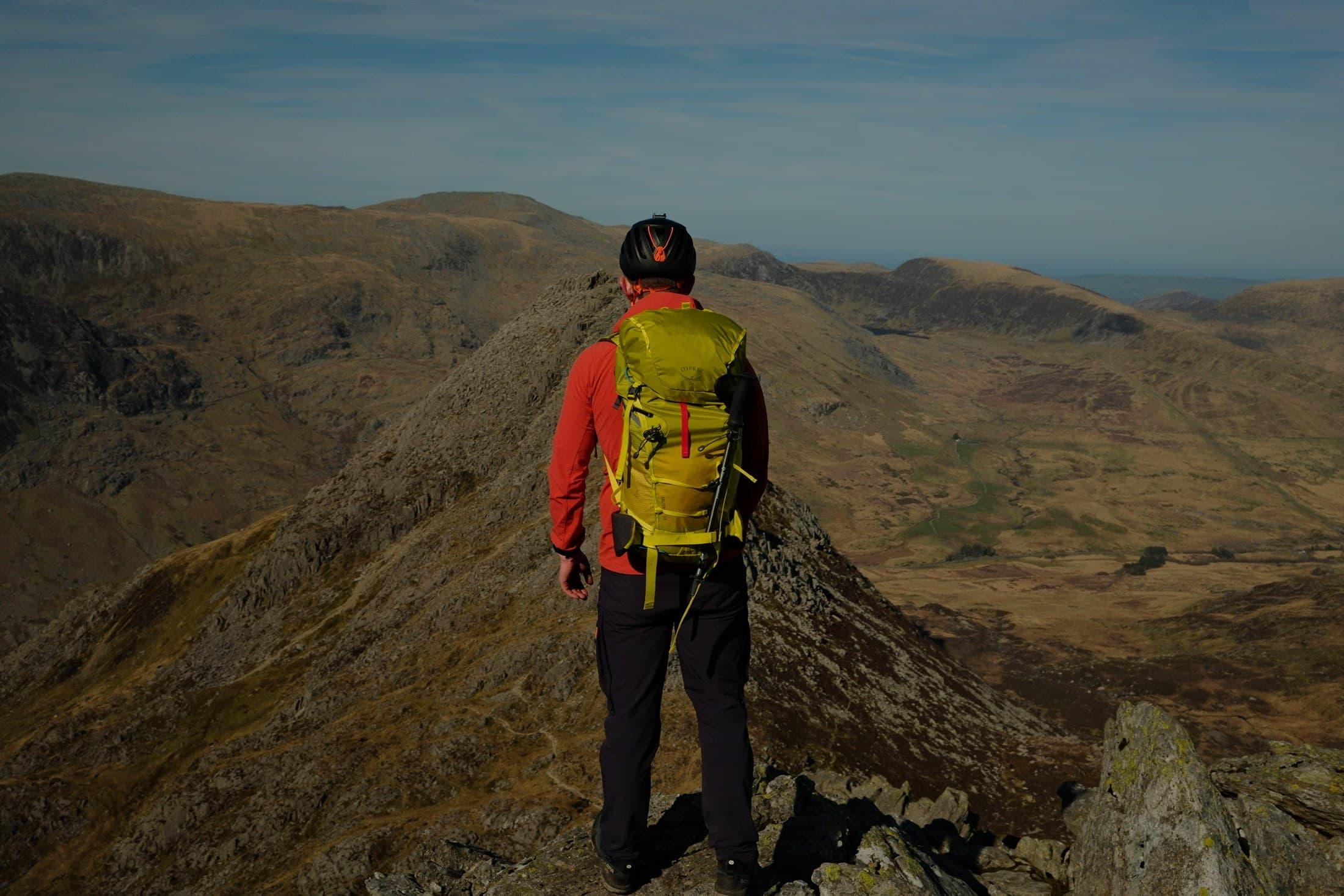
Ready for the real thing?
See what trips are coming up.
Guided by qualified instructors. Small groups. All abilities.
Browse trips