By Freddie Sankey · Former Royal Marines officer
What the Marines taught me about carrying weight
Load carriage is its own skill, and the gym does not teach it. How a pack should sit, why strong people still suffer under weight, and how to build tolerance without wrecking yourself.
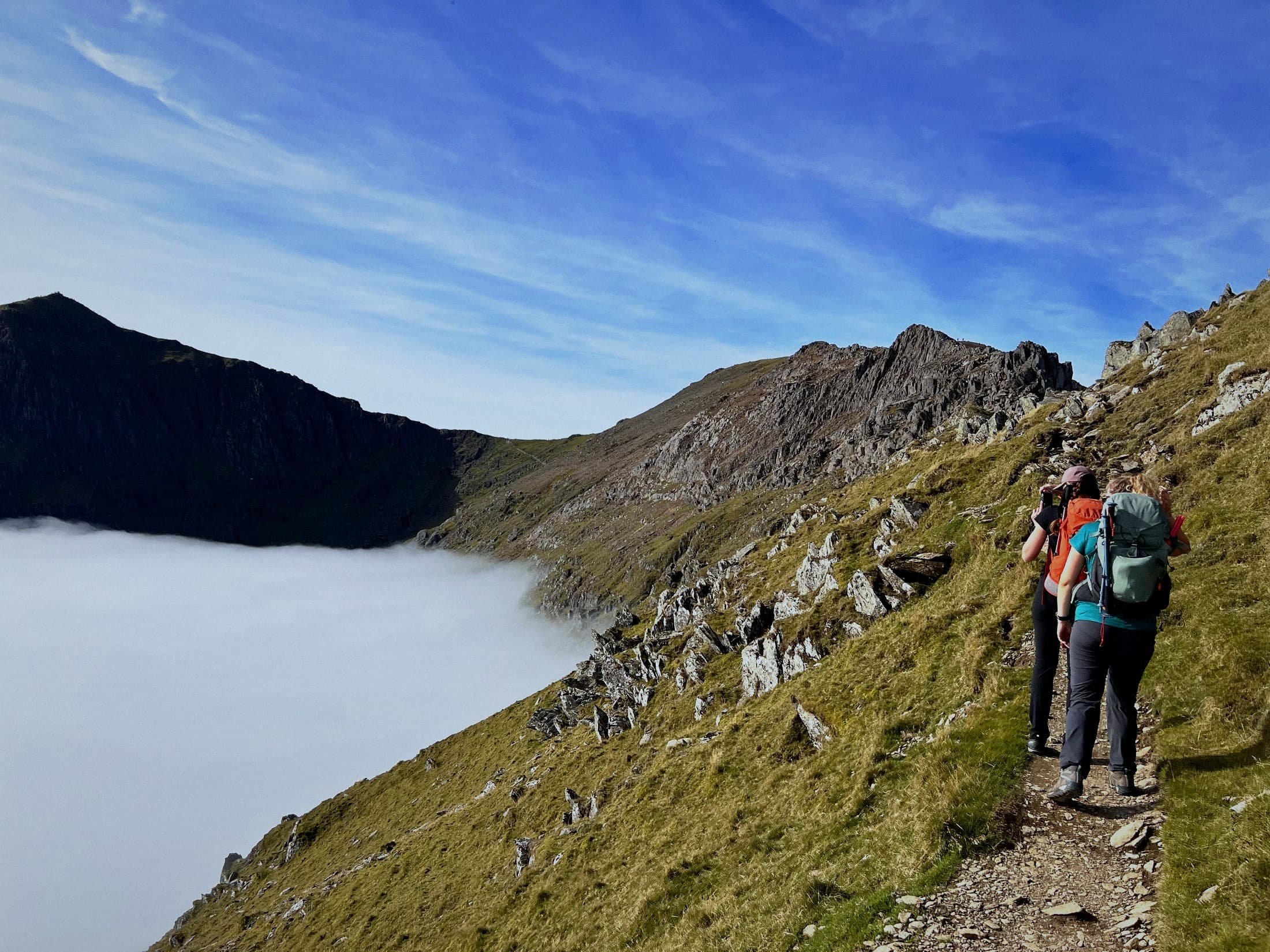
I spent years in the Royal Marines carrying things that were too heavy for too long, which is a reasonable description of the job. The useful part is that it teaches you something the gym cannot, which is that carrying weight over distance is a separate skill from being strong.
I have watched genuinely strong people, people who squat well over their bodyweight, fall apart under a 15kg pack on hour six of a hill day. And I have watched people with unremarkable gym numbers carry the same load all day without much bother. The difference is not strength. It is tolerance, technique and fit.
Fit comes before fitness
Most pack suffering is a fitting problem wearing a fitness problem's clothes.
- , The hip belt carries the weight, not the shoulders. It should sit on the top of your pelvis, not your waist, and it should be tight enough that you can loosen the shoulder straps and the pack stays where it is.
- , Shoulder straps stabilise, they do not support. If your shoulders are burning, the belt is in the wrong place or too loose.
- , Load lifters, the small straps running from the top of the shoulder straps back to the pack, should sit at roughly 45 degrees. They pull the load in towards you.
- , Pack length matters more than pack volume. A 60 litre pack in the wrong back length will hurt you more than a 70 litre one in the right one.
Get a pack fitted in a shop, with weight in it, and walk around. Ten minutes there saves a great deal of misery later.
Where the weight sits
Heavy items go high and close to your spine. Not at the bottom, which drags the load backwards and pulls you into a forward lean. Not on the outside, which swings.
The general order, bottom to top: sleeping bag and anything soft you will not need until camp, then the heavy items packed against your back, then the lighter bulky things, then the items you need during the day in the lid and hip pockets. Anything that has to come out in a hurry, waterproofs and a first aid kit, goes where you can reach it without unpacking the whole thing in the rain.
“A well packed 15kg carries more easily than a badly packed 12kg. Every time.”
How you move under load
Weight changes your gait whether you like it or not. What you can control is how much.
- 1.Shorter steps, higher cadence. Long strides under load put a large braking force through the knee on every footfall.
- 2.Stay upright. The forward lean people adopt under a pack is usually a symptom of a badly adjusted belt, and it loads the lower back for hours.
- 3.On descent, small steps and let your legs bend. Descending is where load carriage does its damage, and it is the thing almost nobody trains.
- 4.Use your poles on the way down, not just up. They take a meaningful percentage of the load off your knees over a long descent.
Building tolerance without breaking
The mistake is to treat pack work like a gym progression and add weight every week. Load carriage stresses connective tissue, and tendons and ligaments adapt considerably more slowly than muscle does. You can get strong enough to carry a load long before your feet, achilles and knees are ready for it.
A sensible build looks like this, over six to eight weeks:
- , Start at about 8 to 10 percent of your bodyweight for the first couple of weeks, on flat ground
- , Add distance before you add weight. Get comfortable at two hours before you add a kilo
- , Increase load by one to two kilos at a time, no more often than every other week
- , One loaded session a week is plenty. Two is where people start collecting injuries
- , Introduce hills, and specifically descents, only once the flat distance is comfortable
Use real kit rather than plates or sandbags where you can. Water bottles are ideal, because you can pour some away if you get it wrong and you will not be stranded miles from home under a load you cannot manage.
Feet
More trips are ruined by feet than by fitness. Under load, hot spots turn into blisters much faster, and the answer is not to tough it out.
Stop as soon as you feel a hot spot, not at the next scheduled break. Tape it before it becomes a blister. Two decent pairs of socks, boots that were broken in weeks ago rather than days ago, and nails cut short. This is unglamorous and it matters more than almost anything else in this article.
The strength that does transfer
Some gym work helps a great deal, as long as it looks like the thing you are training for.
- , Loaded carries. Farmer walks, suitcase carries, front-loaded carries. The most directly transferable thing you can do indoors.
- , Step-ups onto a high box, with weight. Closer to hill walking than any machine.
- , Split squats and lunges, for single leg stability under load
- , Slow, controlled eccentric work for the quads, because descending is an eccentric problem
- , Anything that builds a trunk that can resist being pulled backwards for eight hours
What does not transfer especially well: leg press, leg extensions, and anything that trains a movement your body never performs while walking uphill with 15kg on your back.
The part that is mental
The last thing, and the hardest to train, is that carrying a heavy load for a long time is boring and uncomfortable in a way that has no dramatic peak. There is no moment of maximum effort. There is just hour four, then hour five, with everything aching mildly and nothing wrong.
The only preparation for that is to have done it before. Which is the real argument for one long loaded walk a week, more than any physiological adaptation.
For how loaded work fits into a wider training year, read: how to plan a year of training for adventure
Jove Club
Train for the load, not the gym.
Our coaching plans build the specific tolerance long days under a pack require, alongside the aerobic base and strength that support it.
See training
Freddie Sankey
Founder, Jove Club · Former Royal Marines officer
Freddie founded Jove Club after six years as a Royal Marines officer and six more in finance. He's a qualified outdoor instructor and running coach, guides many of the Jove trips himself, and trains with the group in London every week. In his spare time he's drawn to mountaineering, physical challenges and multi-day adventures.
More about Freddie →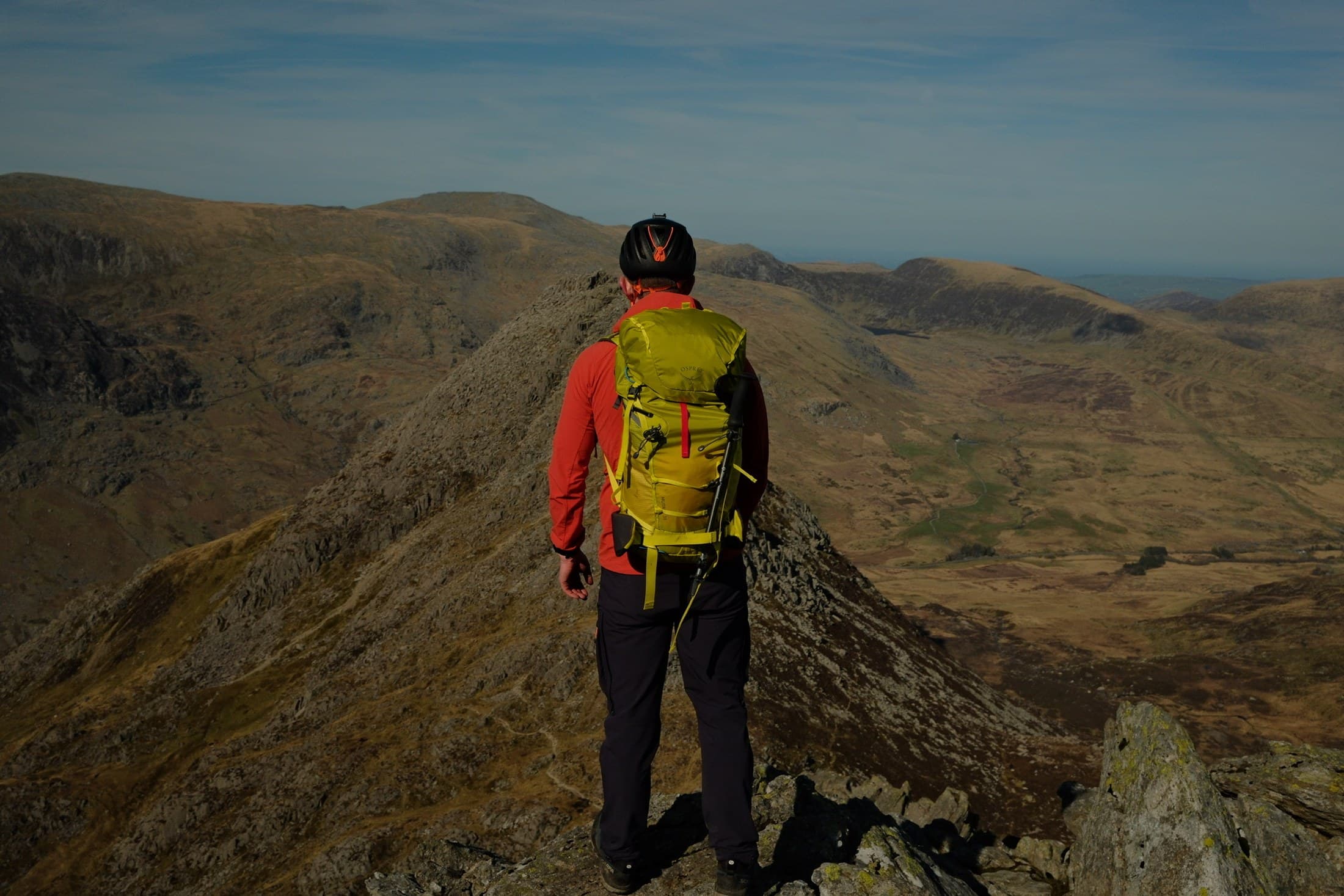

Ready for the real thing?
See what trips are coming up.
Guided by qualified instructors. Small groups. All abilities.
Browse trips