By Freddie Sankey · Founder of Jove Club
How to build an aerobic base for the outdoors
Aerobic fitness is the foundation everything else sits on. What it is, why it matters more than most people think, and how to build it without running yourself into the ground.
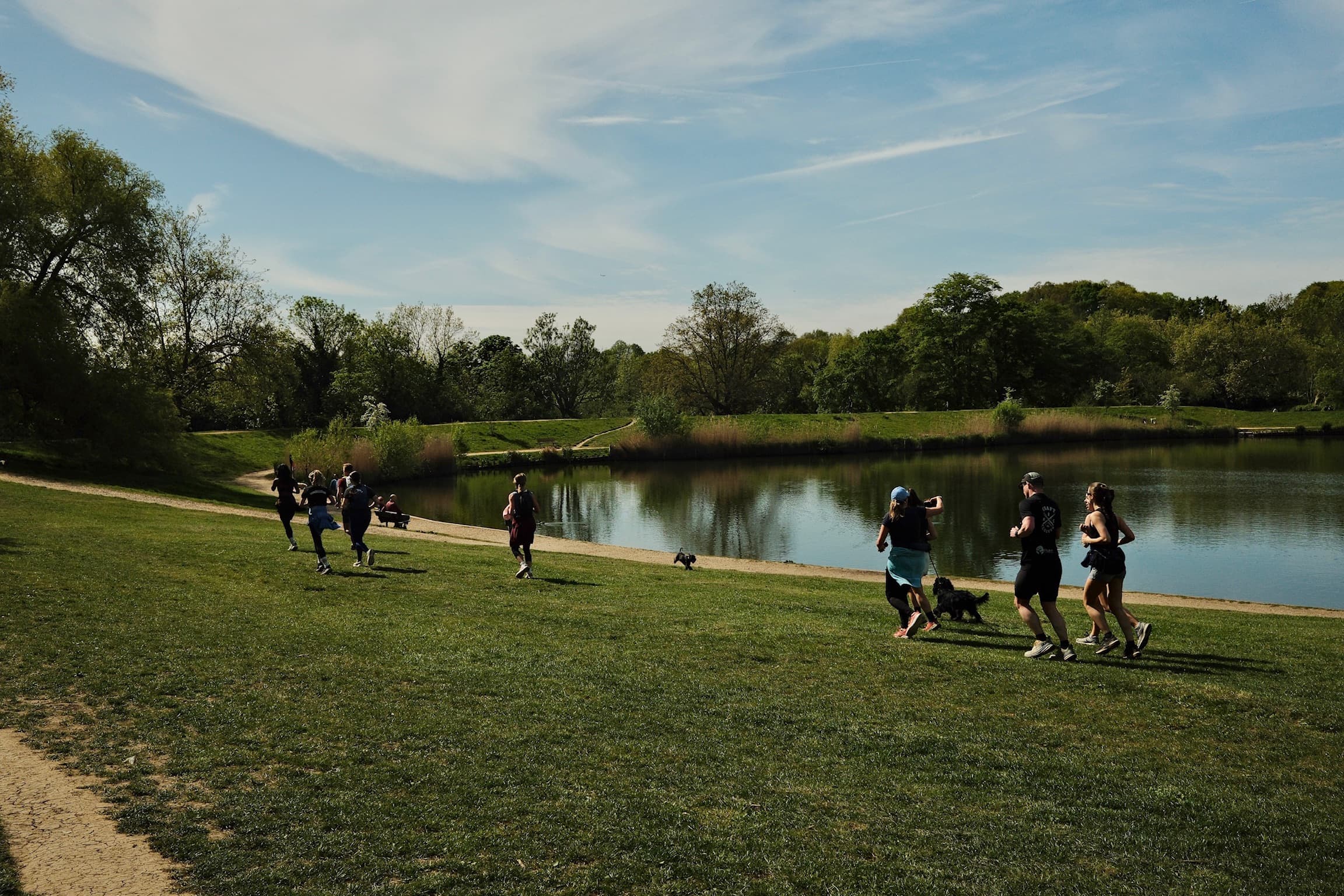
Most people who struggle on multi-day trips, heavy legs by day two, breathless on every uphill, taking longer to recover than they expected, have one thing in common. They haven't built an aerobic base.
Aerobic fitness is the foundation that every other aspect of performance sits on. Strength training, trail running, scrambling technique, all of it becomes more effective and more sustainable when your aerobic engine is properly developed. Without it, you're building on sand.
What aerobic fitness actually is
Your aerobic system uses oxygen to produce energy. It's the system that powers sustained effort, everything from a long walk to a multi-hour mountain day. The better your aerobic capacity, the more efficiently you can sustain that effort, the faster you recover between efforts, and the less taxing each individual hour becomes.
This is different from anaerobic fitness, which powers short, high-intensity bursts. Anaerobic capacity matters for sprint-type efforts. For the outdoors, where the challenge is sustained effort over many hours, aerobic capacity is what limits you.
Zone 2: the training that builds the base
Zone 2 is a training intensity level: effort that's comfortable and sustained, where you could hold a conversation but wouldn't find it completely easy. A brisk walk, a comfortable run, a steady cycle. Not working hard, not coasting.
The majority of your aerobic training should be at this intensity. This is the zone where your aerobic system develops most efficiently, where you build the mitochondrial density, fat-burning capacity, and cardiovascular adaptations that translate directly to endurance in the mountains.
High-intensity training has its place, but the research consistently shows that most endurance improvement comes from volume at moderate intensity, not from constantly pushing into the red. Elite endurance athletes typically spend 70-80% of their training time in Zone 2.
The weekly long session
Build in one longer aerobic session per week. This is the session where duration matters more than pace or intensity, the goal is sustained time on your feet (or in the saddle), teaching your body to manage energy and effort over extended periods.
Start at a duration you can manage comfortably. 60-90 minutes is a reasonable starting point if you're new to this kind of training. Build gradually, add 10-15 minutes to the long session every two to three weeks. By the time you're doing a regular 2-3 hour long run or hike, your aerobic base will be substantially more developed than when you started.
The long session is also where the mental side develops. Learning to stay steady when you're tired, manage your effort on varied terrain, and push through the point where you want to stop, these are skills that only come from time under load.
You don't have to run
Running is efficient for building aerobic fitness, but it's not the only option, and for some people, the impact load is more than their joints can comfortably handle, especially when building volume.
Cycling produces the same aerobic adaptation with far lower impact. Hiking with a weighted pack gives you the specific movement pattern of mountain days. Rowing, swimming, and elliptical training all build aerobic capacity. The key variable is sustained cardiovascular output, not the specific modality.
If you enjoy running, run. If you don't, pick something you'll actually do consistently. The best aerobic training is the training you turn up for.
Train with others
The practical reality of aerobic training is that it takes time. An hour of Zone 2 work per session, three or four times a week, adds up to a lot of hours. Those hours are much easier to accumulate when you're doing them with other people.
Training partners create accountability. They make long sessions easier to start and easier to finish. They introduce you to routes and terrain you wouldn't find alone. And the social element of shared effort, which is easy to underestimate before you've experienced it, becomes part of the reason you show up.
How it translates to the mountains
The specific adaptation you're after is the ability to sustain effort for many hours without the effort feeling overwhelming. A well-developed aerobic base means that hour six of a mountain day feels manageable rather than like a test of character. It means you recover between days on a multi-day trip rather than waking up more depleted than the night before.
This kind of fitness takes months to build properly. You can't rush it. But the good news is that consistent moderate-intensity training, done over time, reliably produces it. You don't need to suffer for it. You just need to be consistent.
“Train enough that the mountains feel easy. Not easy enough to be boring, easy enough to be enjoyable.”
The best day in the mountains isn't the one where you dragged yourself to the top despite being exhausted. It's the one where you felt strong all day, took in the views properly, and came home with something left in the tank. That's what an aerobic base buys you.
Jove Club
Start building yours.
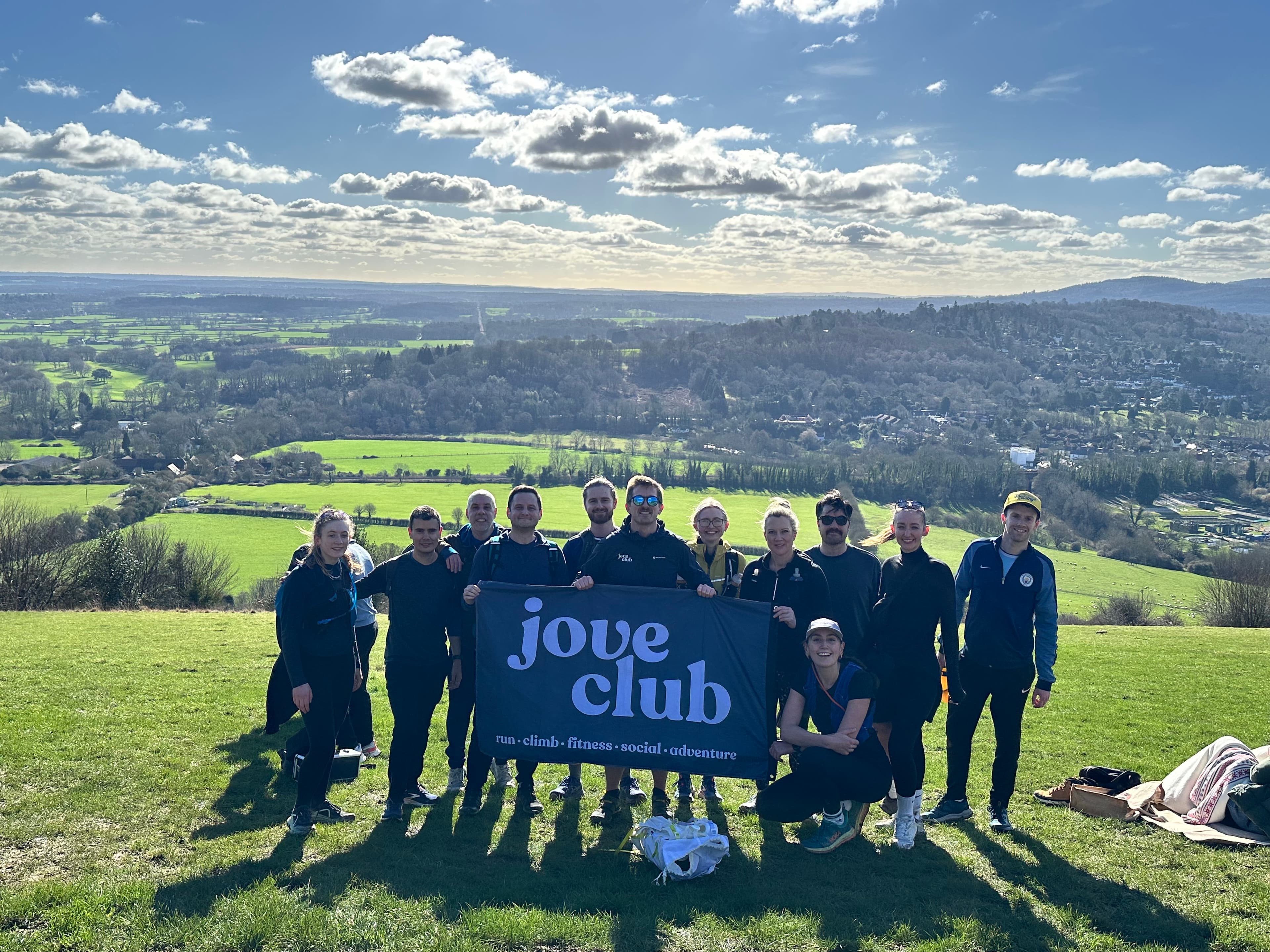
Jove Club runs regular trail runs at Box Hill, a good place to get consistent aerobic work done in good company.
View the Box Hill run
Freddie Sankey
Founder of Jove Club
Freddie founded Jove Club after six years as a Royal Marines officer and six more in finance. He's a qualified outdoor instructor and running coach, guides many of the Jove trips himself, and trains with the group in London every week. In his spare time he's drawn to mountaineering, physical challenges and multi-day adventures.
More about Freddie →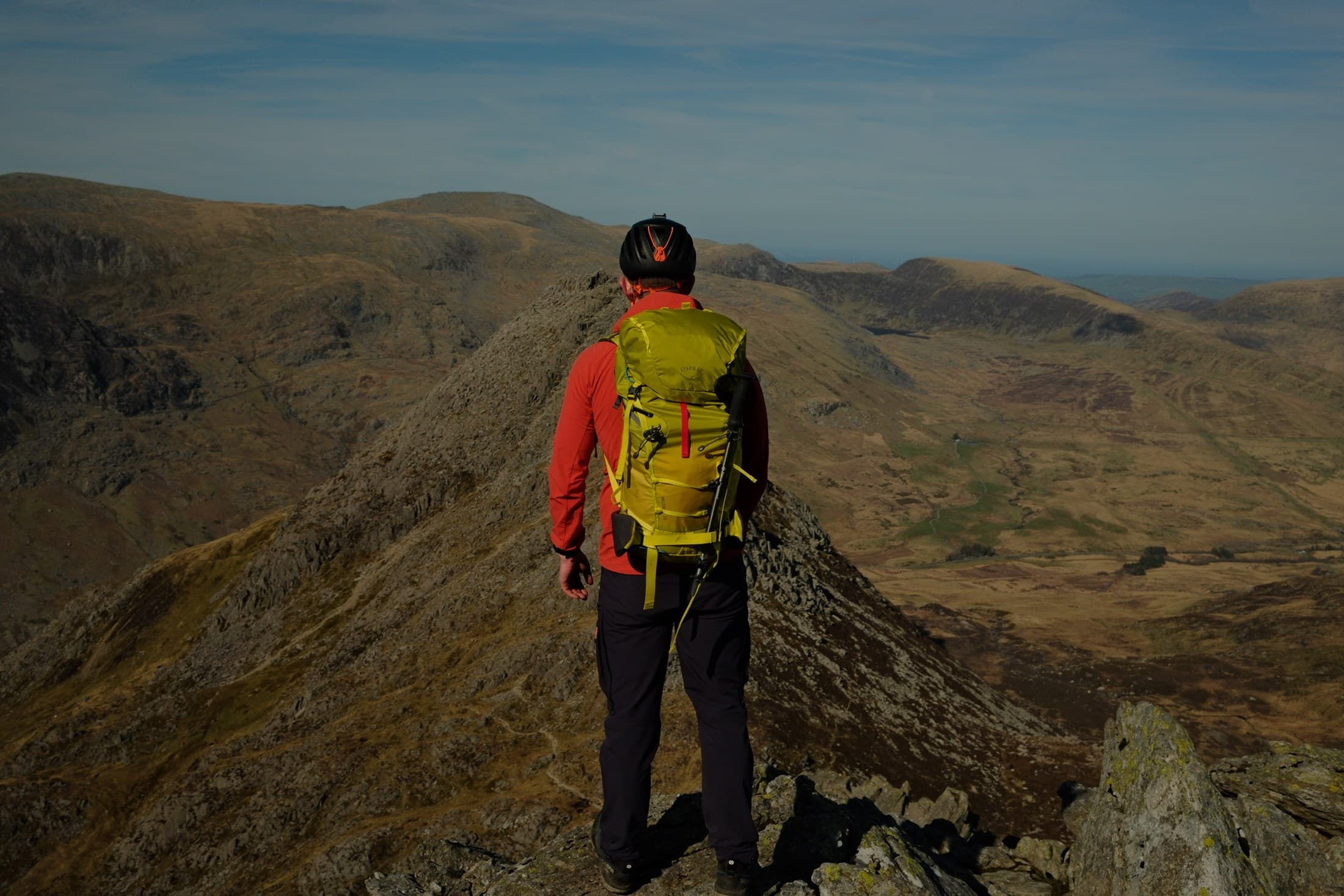
Ready for the real thing?
See what trips are coming up.
Guided by qualified instructors. Small groups. All abilities.
Browse trips