By Freddie Sankey · Founder of Jove Club
The Welsh 3000s: the complete guide
Route, training, kit, and the things people get wrong. Everything you need to know before attempting one of the UK's great mountain challenges.
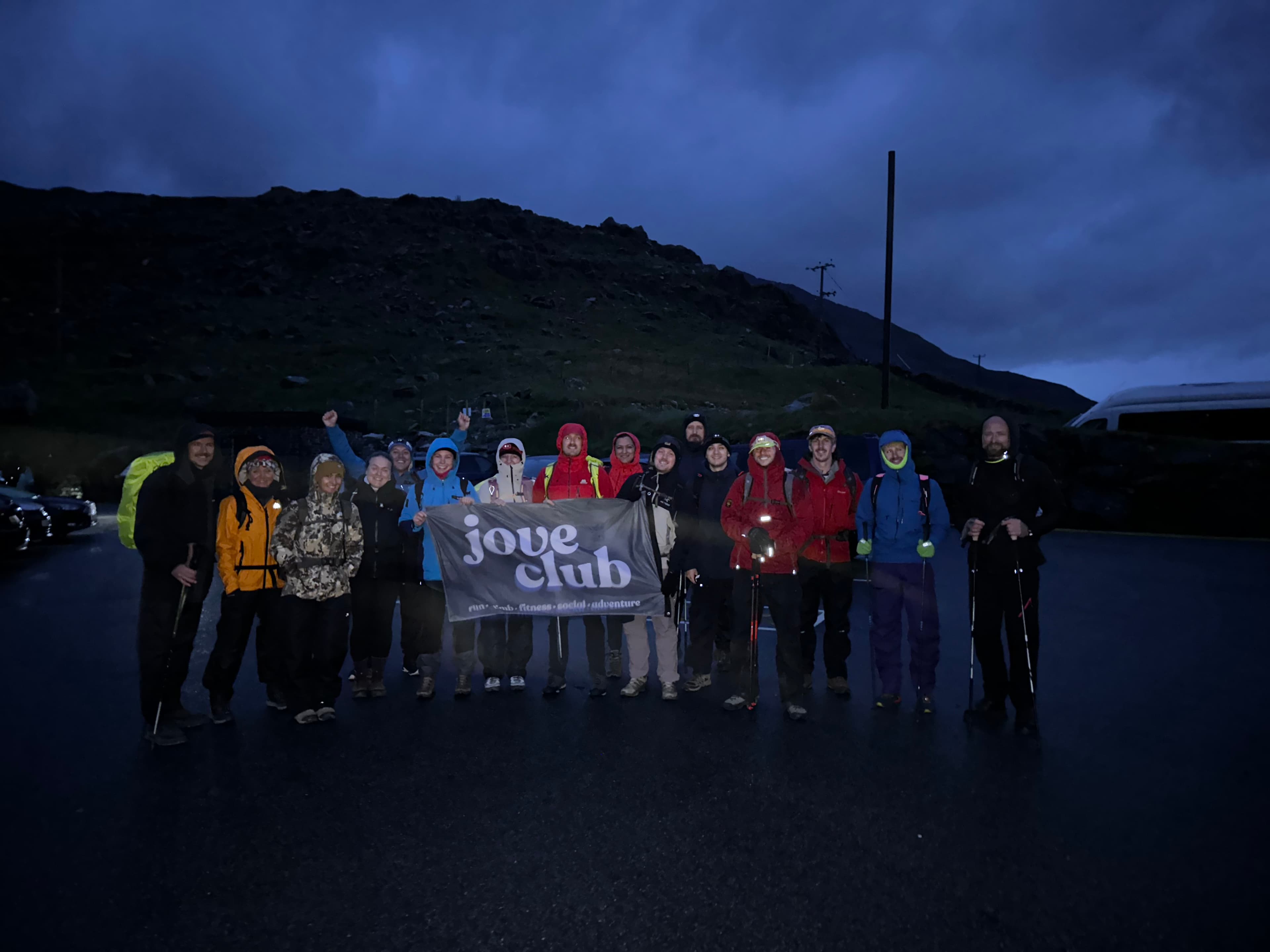
The Welsh 3000s is one of the great British mountain challenges: all 15 peaks over 3,000ft (914m) in Eryri (Snowdonia), completed in a single continuous journey. Around 30 miles, 4,000 metres of ascent, and depending on your fitness and conditions, somewhere between 12 and 24 hours on the hill.
It's serious. It's also achievable, with the right preparation, the right kit, and a clear head about what you're taking on.
This guide covers everything you need to know before you attempt it.
The three ranges
The route passes through three distinct mountain ranges, each with its own character:
Yr Wyddfa (Snowdon) range, 3 peaks
The opening range includes Snowdon itself and the infamous Crib Goch, a Grade 1 scramble with real exposure on both sides of the ridge. Crib Goch is the crux of the route. It requires dry conditions, a head for heights, and genuine ridge confidence. This is not a path that's been exaggerated into drama, it earns its reputation.
This is why most experienced guides recommend travelling south-to-north: tackle Crib Goch early, while you're fresh and it's daylight, rather than approaching it fatigued after 20 miles.
Glyderau, 5 peaks
The middle range is the most physically demanding section. The Glyderau are boulder-strewn, complex in navigation, and take more out of you than their distance suggests. Tryfan sits nearby as a reminder of what serious Welsh rock looks like. Allow more time than you think for this section.
Carneddau, 7 peaks
The Carneddau are the final range and, at over a half-marathon in distance, the longest section. The terrain is less technical than Crib Goch, but you're covering it at hour 16 or later. This is where the challenge becomes a test of resilience rather than skill.
Direction: south to north
Most experienced parties go south-to-north for good reason. Starting on Snowdon means tackling Crib Goch in the morning, in good light, before fatigue compounds risk. Ending on the Carneddau means finishing on easier terrain when you're most tired.
North-to-south is possible but puts Crib Goch at the end of an already long day. It's harder to argue for unless you have a specific logistical reason.
Training for it
The Welsh 3000s requires three qualities in combination: aerobic capacity, strength, and robustness. You need all three.
Aerobic conditioning
You need to be able to sustain output for 12-20 hours. This is built over months, not weeks. Long runs (2+ hours), regular easy aerobic work, and some tempo running to develop efficiency. Build your long run progressively, don't jump from 90 minutes to five hours.
Strength
Two to three strength sessions per week focused on legs and core. Single-leg work, split squats, step-ups, single-leg deadlifts, replicates the demands of varied terrain. Strong glutes and hamstrings protect the knees on descent. This matters more on a 30-mile day than it does on a weekend walk.
Robustness
Injury prevention and weather hardiness are as important as raw fitness. Train in varied conditions, don't only train when it's nice. Get used to moving when you're tired. Do back-to-back long days in training so your legs learn what the second day feels like.
Kit
This isn't a list for a day walk. You're out for 12-20 hours, in mountain terrain, with weather that can change rapidly.
- •Approach shoes with good grip: trail runners with sticky rubber work well for the scrambling on Crib Goch. Heavier boots will slow you on the Carneddau.
- •Waterproof jacket and a warm mid-layer: Welsh mountain weather is unpredictable at any time of year
- •Headtorch with spare batteries: most parties will be moving in the dark at some point
- •Walking poles: evidence consistently shows they reduce load on the legs by 20-25% on long descents. For a 30-mile day, this matters
- •Navigation: map and compass. Know how to use them. The Glyderau especially require solid navigation in poor visibility
- •Food and water for the full duration, don't rely on resupply except at planned checkpoints
Support
A support person with a vehicle makes the logistics significantly more manageable. Resupply points at the valley crossings (Pen-y-Pass, Ogwen) allow fresh food, dry kit, and a morale boost. This is not cheating, it's sensible.
If you're going unsupported, carry everything from the start. This is heavier and harder. Make sure your kit choices reflect that.
The safety point people miss
Social facilitation is one of the most underappreciated hazards in the mountains. You arrive at Crib Goch and there are other groups heading out onto the ridge. It looks manageable. Everyone else is going. The conditions feel borderline but the group momentum pulls you forward.
This is how people get seriously hurt. Don't let the presence of others substitute for your own assessment of conditions.
“Don't attempt Crib Goch in winds over 25-30mph, or in extreme rain. Check MWIS and the Met Office the night before and again on the morning. If conditions are borderline, don't go.”
The Welsh 3000s will still be there. There will be another day with better conditions. The only bad decision you can't recover from is the one you make on the ridge.
Jove Club and the Welsh 3000s
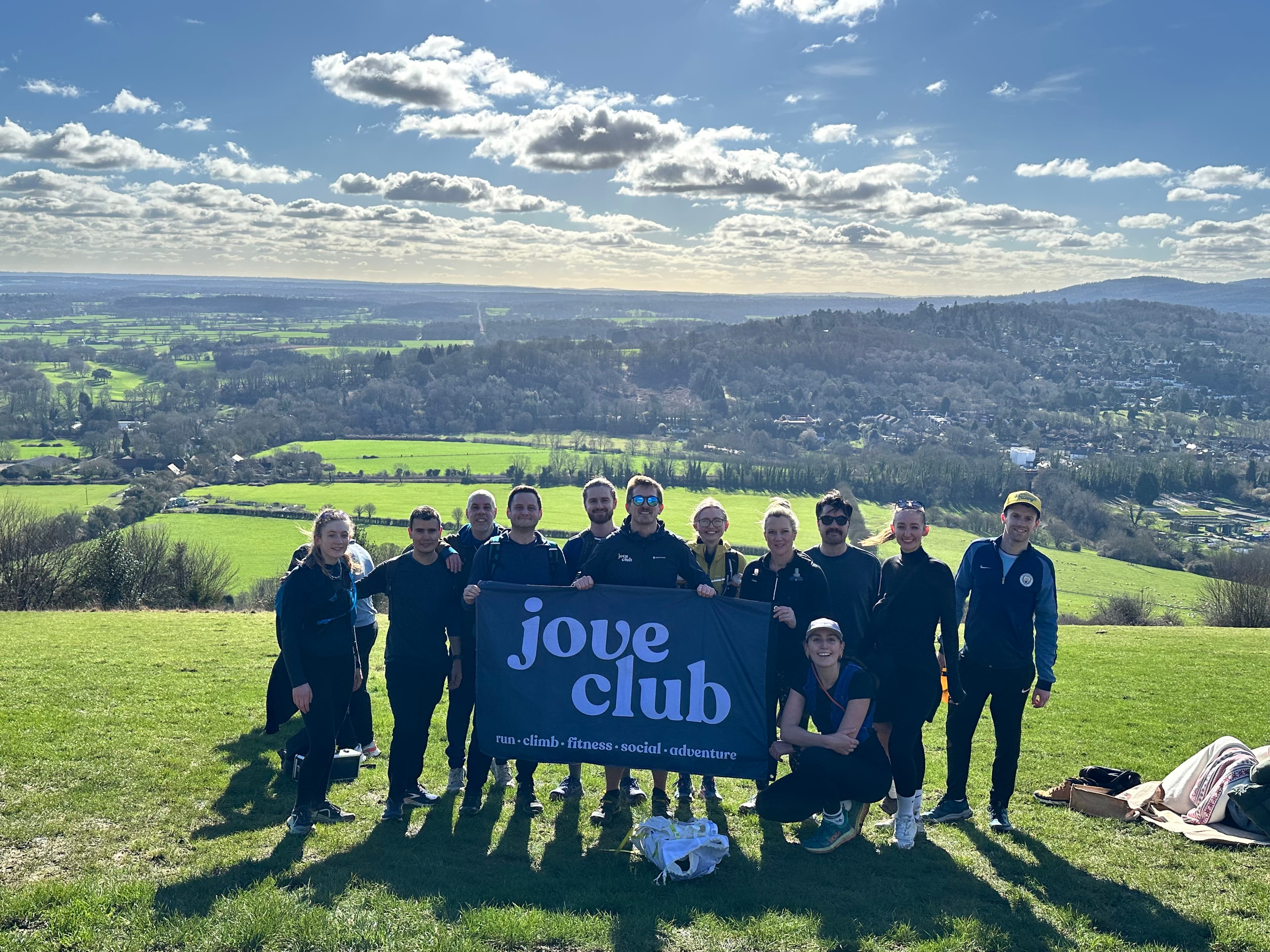
Jove Club runs the Welsh 3000s as a guided challenge once a year. Qualified instructors throughout, not just at the tricky sections. South-to-north, starting on Snowdon so Crib Goch comes early while you're still fresh. Group capped at a size where everyone moves together. A preparation programme in the weeks before, including kit check and a group call. Application required, you need some mountain experience, and the group matters.
If you've been thinking about attempting the Welsh 3000s and want to do it properly, with the right support and the right people around you, this is worth a look.
Jove Club
Attempt the Welsh 3000s with Jove Club.
Guided. South-to-north. Qualified instructors. Small groups, done properly.
View the Welsh 3000s trip
Freddie Sankey
Founder of Jove Club
Freddie founded Jove Club after six years as a Royal Marines officer and six more in finance. He's a qualified outdoor instructor and running coach, guides many of the Jove trips himself, and trains with the group in London every week. In his spare time he's drawn to mountaineering, physical challenges and multi-day adventures.
More about Freddie →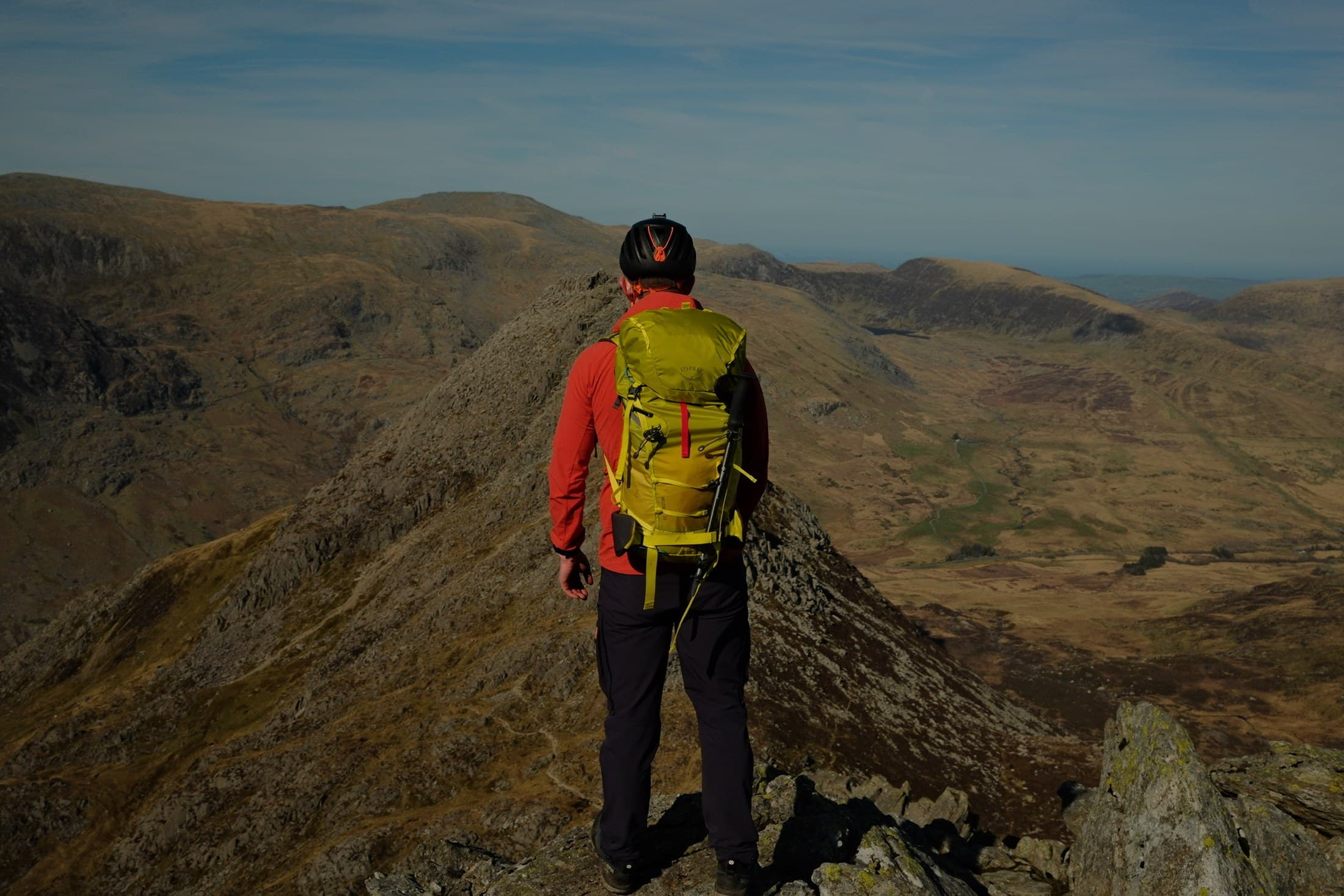
Ready for the real thing?
See what trips are coming up.
Guided by qualified instructors. Small groups. All abilities.
Browse trips