By Freddie Sankey · Founder of Jove Club
Why your bootcamp class won't get you up a mountain
Most people don't specifically train for adventure, and spend too much time focused on the wrong things. Here's how to think about fitness differently.
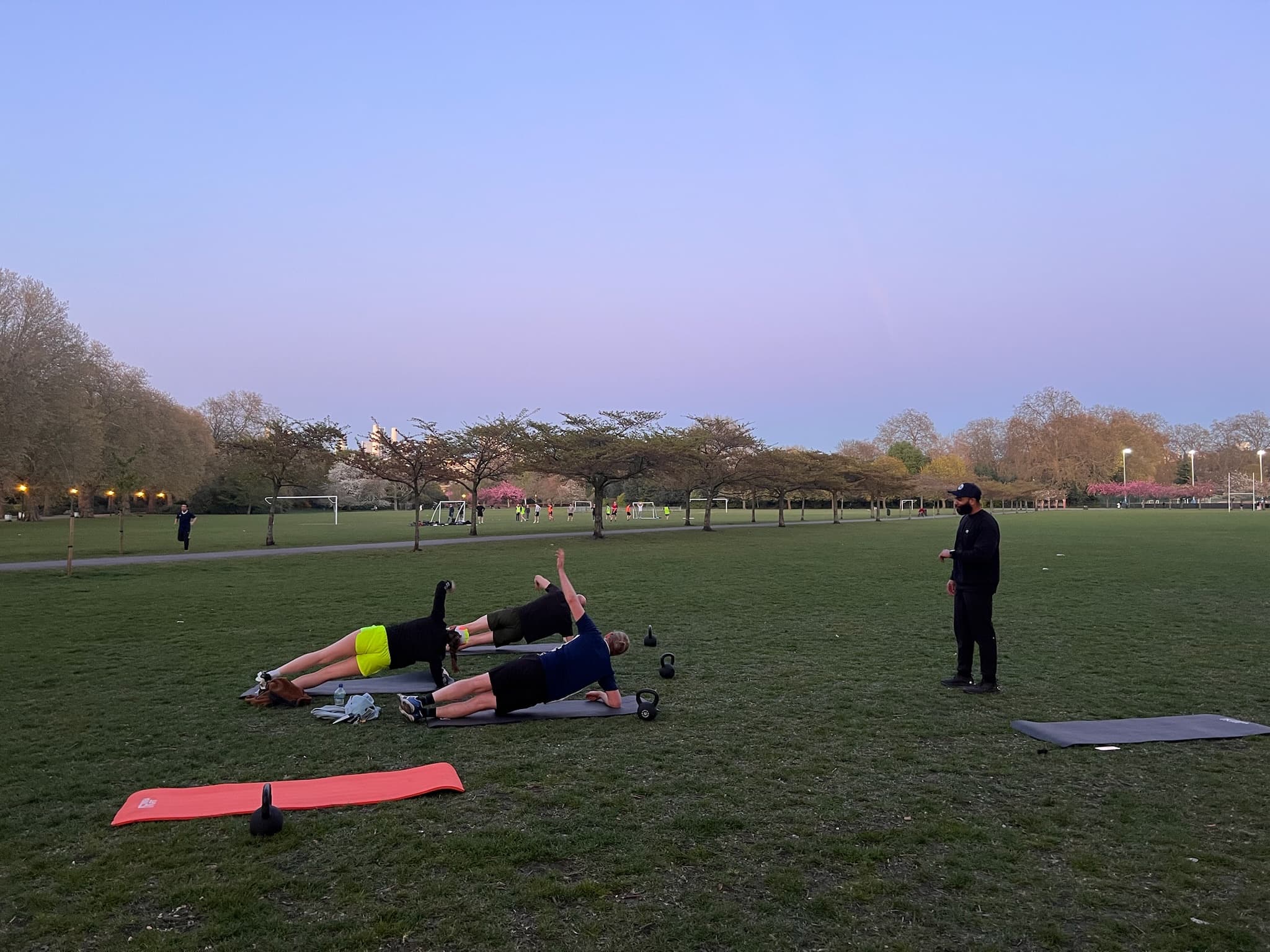
Being fit is key to building confidence and reaching otherwise inaccessible places. Most people don't specifically train for adventure, and spend too much time focused on the wrong things.
Let's be clear about what adventure activity actually is. We see adventure as something challenging and exploratory, testing skills, judgement, and teamwork (if with others) with a reasonable chance of failure. Not tourist trails and staged photos. Once you frame it like that, you realise adventure almost always involves two things: hours (or multiple days) of sustained effort, and exposure to the elements.
So what does that mean for how you should train?
The pyramid
Think of adventure fitness as a pyramid with four layers, from base to top:
- 1.Resilience & Robustness, the foundation. Your ability to deal with the elements and stay injury-free.
- 2.Aerobic Capacity, the engine. Sustained effort over hours.
- 3.Strength / Power & Mobility, the support structure.
- 4.Specific Activity Training, the top. Hiking, climbing, kayaking, the actual thing.
The order matters. Most people get it backwards.
Resilience & robustness: the most overlooked quality
Read any adventure book and you'll read about people who are resilient enough to endure long hours in the elements day after day. We'd always rather go on an expedition with someone "less fit" who can handle being cold and wet than someone who can run a 60-minute Hyrox but shuts down the moment conditions get uncomfortable.
Robustness is the other side of this: staying injury-free. Injuries are the most difficult thing to deal with, they cost you weeks or months of training and the opportunity to do the things you want to do. Keeping yourself injury-free is crucial.
And resilience is built partly in the gym, partly outside. Look at your training week and ask yourself: what can I do outside? Running is the easiest, rain, snow, shine, you can run. If you spend most of your training time indoors, you'll be mentally ill-equipped to handle harsher conditions on an actual adventure.
Aerobic capacity: the thing people skip
We see coaches placing way too much emphasis on quirky, unusual strength exercises and not enough on aerobic fitness. A strong base of aerobic fitness is the second most important quality you need, and it applies across the board, whether you're hiking, climbing, or kayaking.
“No amount of funky variations of a box step will overcome a weak aerobic engine.”
This is the problem with bootcamp and HIIT-style training. These sessions are designed to be short and intense, great for certain goals, but they're not building the sustained aerobic capacity that adventure demands. A mountain day is 6-10 hours of continuous moderate effort. A 45-minute class isn't training for that. It's training for 45 minutes of intense intervals.
Strength: yes, but purposefully
Strength training matters enormously, but it should support the aerobic work, not replace it. A few principles worth following:
- •Train your body as a whole every time you do strength sessions. No more bro splits. Superset to save time.
- •Avoid complicated movements. Snatches and muscle-ups take a long time to learn and aren't particularly useful for adventure preparation. Stick to simple compound movements you can execute well.
- •Lift heavy with good form, squats, deadlifts, shoulder press, pull-ups. Build actual strength.
- •Don't strength train on back-to-back days. Give your body 48 hours between sessions.
Specific activity training: it's at the top for a reason
It might seem strange that the specific activity, hiking, climbing, trail running, sits at the top of the pyramid rather than the base. But the reality is, the vast majority of people don't have the time and money to get out and hike for hours every day or ski tour every week.
Once you've built a robust, fit body, there's nothing stopping you getting involved in almost any adventure activity. The foundation enables the top, not the other way around.
What this means in practice
The precious time you're spending doing a random Classpass workout because it's cheap could most likely be spent doing something more productive. That's not to say you can't enjoy those sessions, go for it. Just make sure it's not at the expense of training with purpose.
Lifting weights through basic compound movements and doing a variety of consistent aerobic training is the timeless method of getting fit. Think about all the fads that have come and gone: Zumba, HIIT, etc. and then look at what professional athletes do: aerobic capacity, strength, coordination, mobility, flexibility, and power, in the most direct ways possible.
That's what works. Build that foundation and the mountain becomes manageable.
Jove Club
Train with purpose, not just effort.
Jove Club's training programme is built around the adventure fitness pyramid, aerobic base, compound strength, real-world preparation.
See the training programme
Freddie Sankey
Founder of Jove Club
Freddie founded Jove Club after six years as a Royal Marines officer and six more in finance. He's a qualified outdoor instructor and running coach, guides many of the Jove trips himself, and trains with the group in London every week. In his spare time he's drawn to mountaineering, physical challenges and multi-day adventures.
More about Freddie →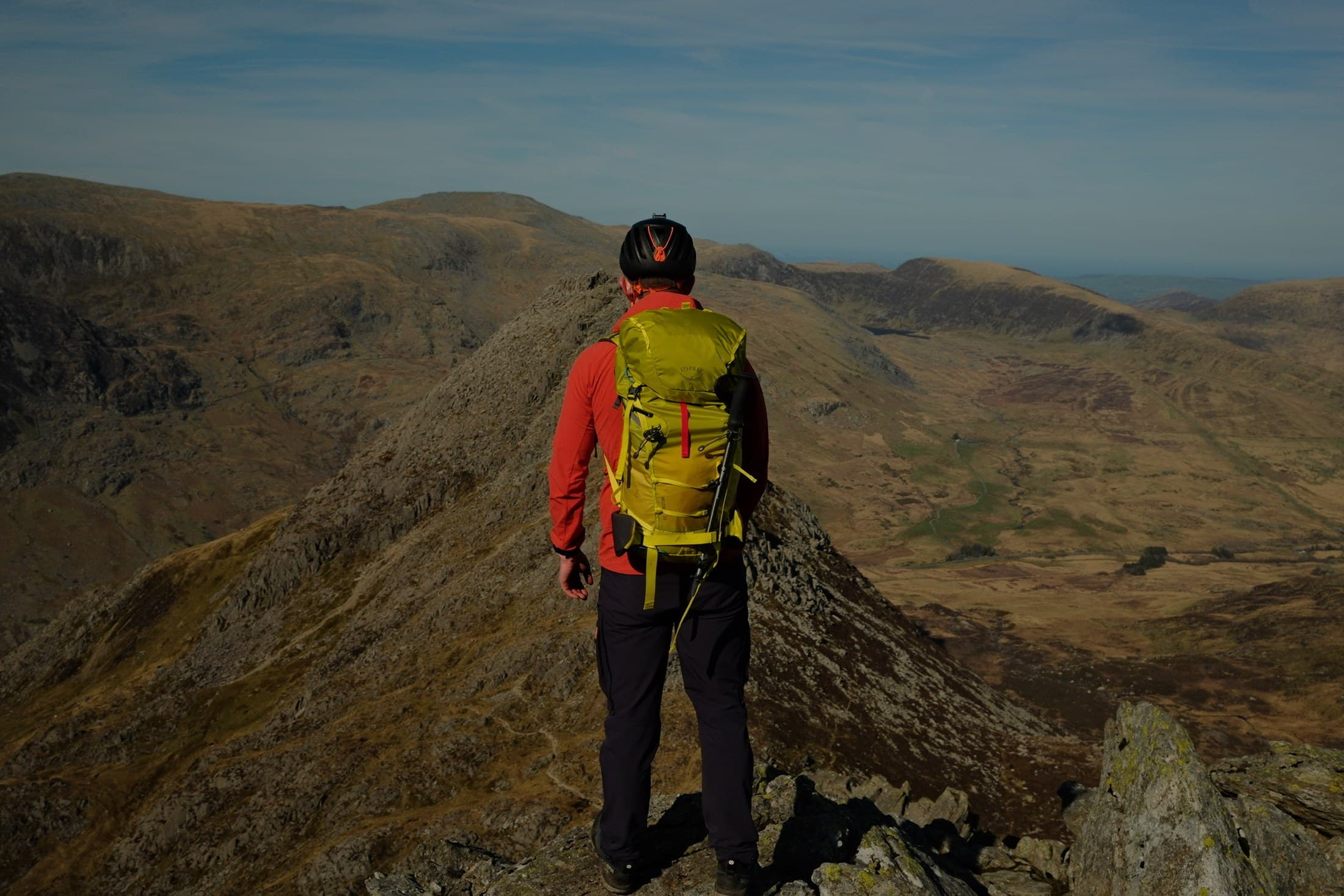
Ready for the real thing?
See what trips are coming up.
Guided by qualified instructors. Small groups. All abilities.
Browse trips