By Freddie Sankey · Founder of Jove Club
What happened when I went into the mountains with no food, no water, and no plan
October 2021. I was still at Goldman Sachs. A trip to Morocco had gone sideways and I ended up in Marbella. What happened next taught me more about preparation than any training session ever had.

It was October 2021. I was still working at Goldman Sachs, it was still very much the COVID era, and free time and holidays were more precious than ever. I'd planned two weeks in Morocco: a few days in the Atlas mountains, then the desert. It felt like the trip I'd been waiting for.
After a couple of days of sightseeing and a bout of food poisoning, I made my way to the mountains. Then my guide's phone buzzed with a BBC News alert: Morocco was about to be put on the COVID red list. If we stayed the full two weeks, getting home would be very difficult.
I decided to continue the mountain section but leave Morocco a week early. Not wanting to waste a precious week of leave, I headed to Marbella, close by, still warm, easy to get home from.
A run that wasn't supposed to be a climb
Most mornings in Marbella I'd get out for a run along the beach before the day started. I'm a Garmin guy, so I wouldn't usually take my phone. And being close to the hotel, I wouldn't take water either.
Behind Marbella sits a mountain called La Concha, roughly the same height as Ben Nevis. With my Moroccan adventure cut short, I kept looking at it and wondering what I'd be able to see from the top. One day I thought: I'll just run to the base and see if there are any good routes. A recce. Maybe I could come back for a proper hike.
With the mindset of "I'll just have a look", I followed cairns through the forest at the bottom of the mountain. I continued on and on until I reached a stone-filled gully. No one else around at all.
I carried on. I made my way up the gully, what had become a challenging hike. The cairns had long disappeared but following the mini-map on my Garmin, I could see the summit cone was really close.
So my plan changed. What had already become a 90-minute escapade became a mountain climb. Instead of turning around, my plan was to get to the summit and then take the quicker, easier tourist trail back to civilisation.
When it went wrong
Using my hands now to scramble, the ground became steeper and steeper until I was essentially rock climbing. I like to think I have a good instinct, honed over my time in the Royal Marines and on many adventures, for knowing when something feels wrong.
That feeling of unease started to build. I stopped listening to music and slowed everything down, trying to take in my surroundings and pick a safe route to the summit.
Then in an instant, I pulled on a boulder and it came loose. I fell.
Luckily, I wasn't on a sheer rock face, I'd only fallen a few metres before I was able to arrest myself. But that wasn't the worst bit. As soon as I realised what had happened, I felt a surge of pain in my hip and ankle. The torso-sized boulder I'd pulled loose had also fallen, and hit me. The pain was the worst I could ever remember feeling.
The boulder had around 10-15 metres to fall and pick up speed. I thank my lucky stars it missed my head.
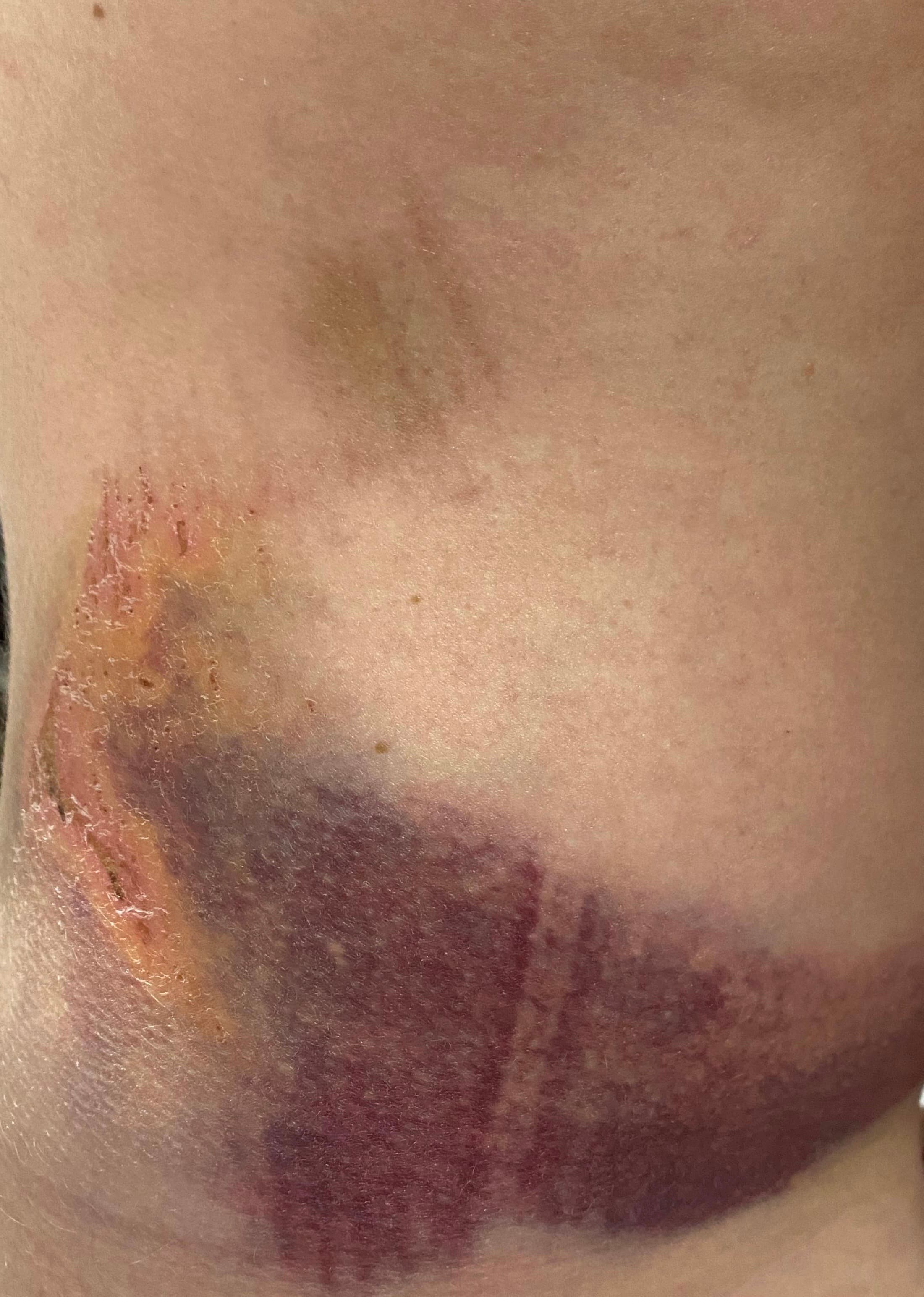
Taking stock
Once I'd started to recover from the initial shock, I took stock of the situation. I could still move, albeit in a lot of pain. I had no food, no water, and hadn't seen another person, not even at the trailhead.
Thankfully, I had my phone. I have no idea why I'd decided to take it that day, but I had. I called my girlfriend and asked for help. Once I'd settled, I began to gingerly descend the gully, knowing she was coming to meet me with water, food, and moral support.
No more running for the rest of that holiday. Just poolside beers and sunshine. I decided to wait until I got back to London to go to hospital, probably not the right call in hindsight, but unbelievably, there were no broken bones and no serious internal injuries.
Why I'm telling you this
I was a Royal Marine. I'd been as fit as an international athlete, ready for anything, and well trained in the outdoors. I'd done lots of mountaineering in harsh Scottish winters and in the Alps. La Concha in Marbella was, in theory, no problem.
The reality? All that experience just made me complacent. Despite my instincts telling me not to push on, I did. I went into a wild place with no food, no water, and without telling anyone where I was going. I started rock climbing without any gear, a helmet, or any preparation whatsoever.
“If something looks wrong and feels wrong, it probably is. Don't be complacent, ever.”
You'll see plenty of people online risking it all for attention. People doing serious routes in completely inappropriate kit. Don't be those people. Learn first-class skills and, more importantly, develop even better judgement.
This story is exactly why preparation matters. Not to remove all risk from adventure, but to make sure the risks you take are informed, intentional, and within your actual capability. Not your imagined one.
Jove Club
Train before you need to.
Build the fitness and skills so you're ready when opportunity arrives, not scrambling to catch up.
See the training programme
Freddie Sankey
Founder of Jove Club
Freddie founded Jove Club after six years as a Royal Marines officer and six more in finance. He's a qualified outdoor instructor and running coach, guides many of the Jove trips himself, and trains with the group in London every week. In his spare time he's drawn to mountaineering, physical challenges and multi-day adventures.
More about Freddie →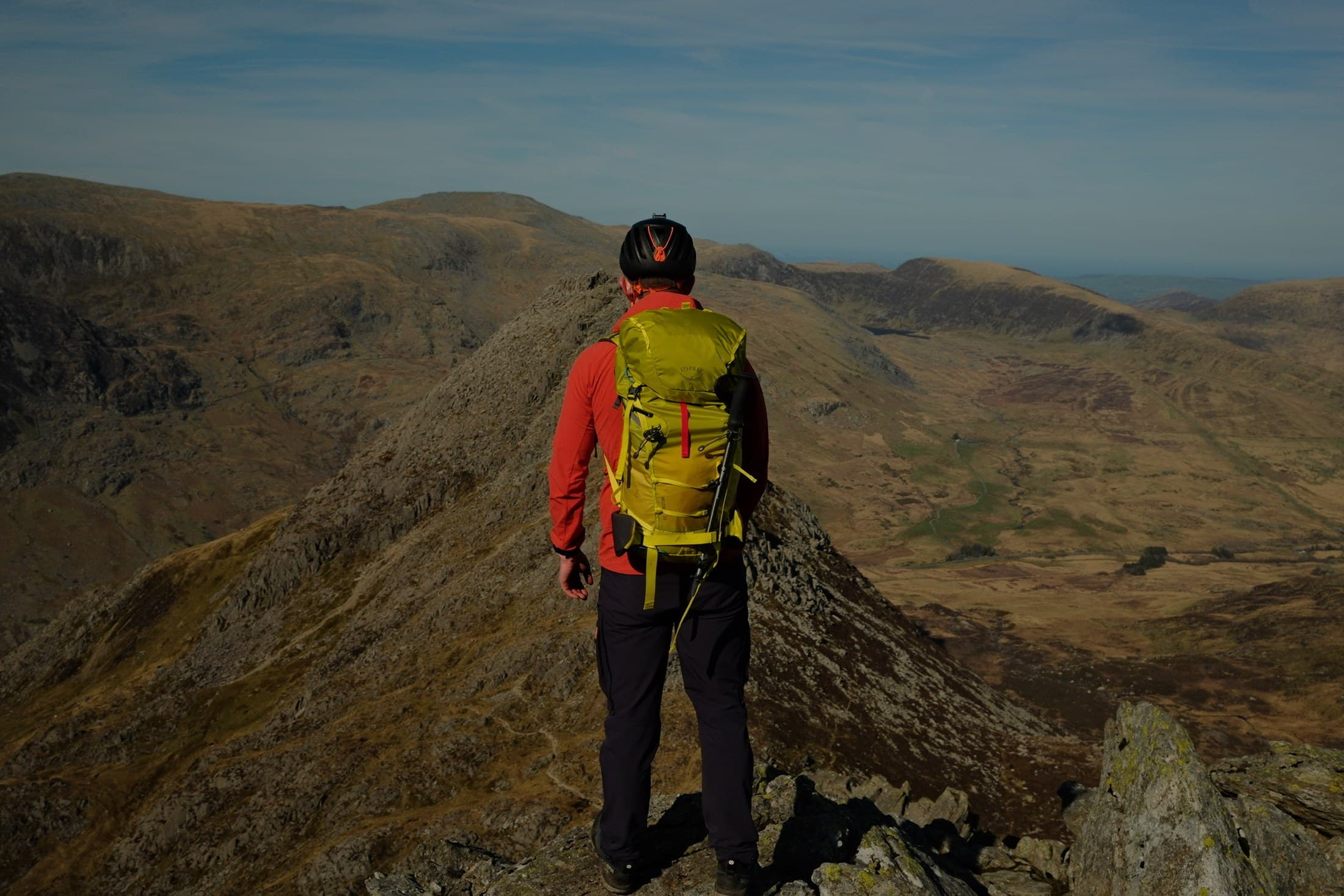
Ready for the real thing?
See what trips are coming up.
Guided by qualified instructors. Small groups. All abilities.
Browse trips