By Freddie Sankey · Founder of Jove Club
Trail running for adventure: how to get started
Trail running is one of the best ways to build adventure fitness and explore wild places quickly. How to start, without getting into trouble.
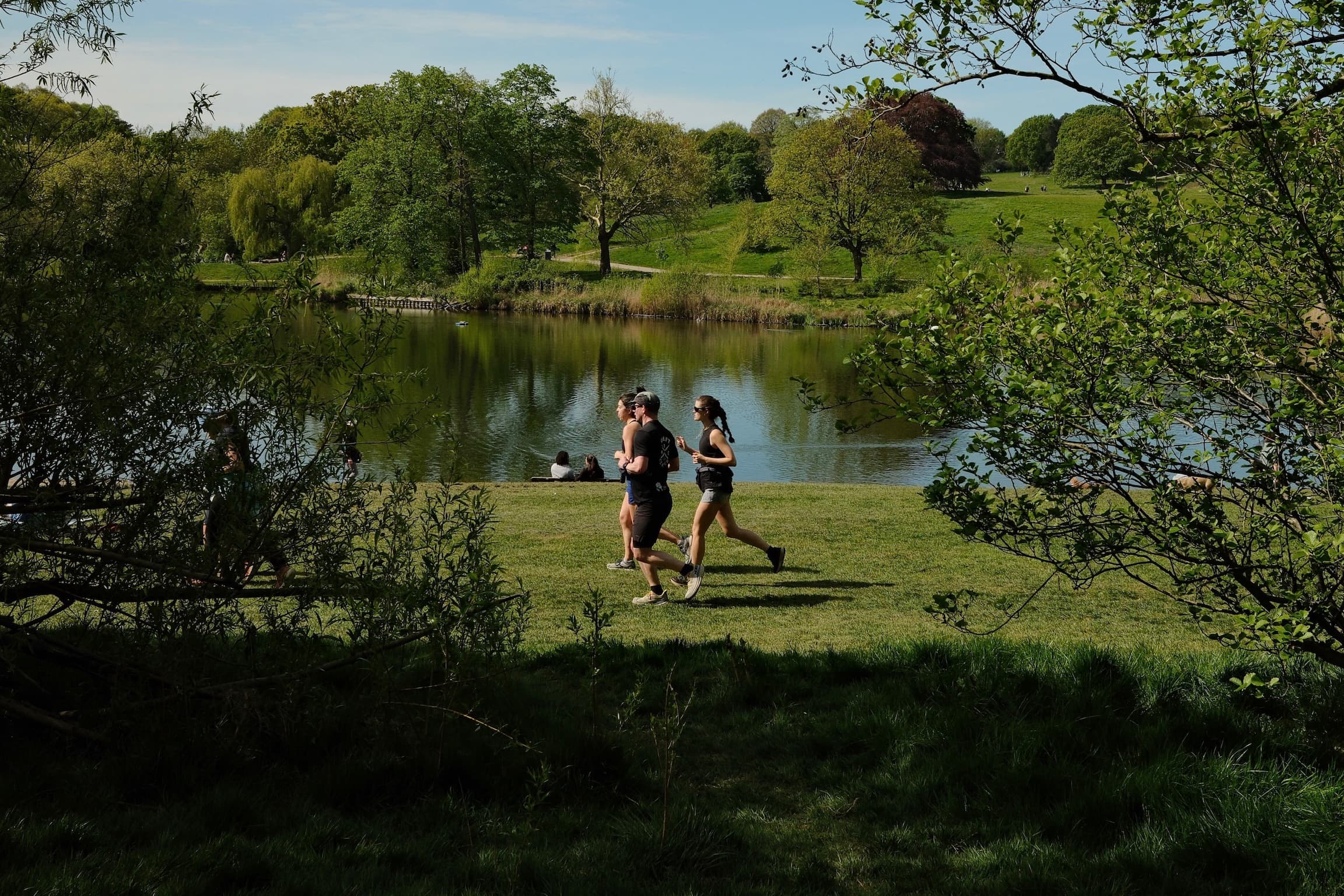
Some people hate running. That's fine, this section isn't for them. But if you're open to it, trail running might be the best single thing you can add to your adventure training. Not just because it builds fitness fast, but because it teaches you to trust your feet over technical ground, and that skill transfers directly to hiking, scrambling, and everything else you do in the mountains.
Technical trail running improves coordination, balance, and confidence moving quickly over steep and uneven terrain. Once you've got that, everything outdoors becomes easier.
It's not all one thing
Trail running covers an enormous range of terrain and commitment. At one end: well-signed paths at Box Hill on a Sunday morning, close to the road, low consequence if something goes wrong. At the other: remote running in the Scottish Highlands, poorly marked trails, boggy and rocky ground, where a rolled ankle could leave you seriously exposed.
Most beginners underestimate this difference. The same distance on a Highland track takes more than twice as long as a park run, and demands a completely different kit list.
Risk vs consequence: the framework to know
Before any trail run, ask yourself two questions. What's the risk of something going wrong? And if it does, how bad is the outcome?
A 10km run in a busy local park: risk is low, consequence is low. Help is nearby, the terrain is forgiving. A 10km mountain run in a remote glen: risk is higher (technical ground, no mobile signal, weather), and the consequence of a fall or injury could be serious.
This isn't a reason to avoid the mountains, it's a reason to prepare differently. Mitigate the risks by knowing the terrain and having the right kit. Mitigate the consequences by telling someone your route, carrying emergency gear, and not going alone until you know what you're doing.
Planning your route
For local or low-risk runs, AllTrails and similar apps are fine. For anything more remote, get a map. Study the gradient, the type of ground (open moorland, rocky ridgeline, forest), the exposure, and the realistic pace.
Most people significantly underestimate how slow they'll move in technical terrain. On remote mountain routes, plan for 20-minute miles. That's not pessimistic, it's accurate, once you factor in boggy sections, route finding, and the energy cost of moving over rough ground.
Is a route so steep that you'll spend most of it walking anyway? Is there a section that's heavily boggy? These are things a phone GPS won't tell you, but a topographic map will.
Kit: the bit people get wrong
On an easy, accessible trail: running kit and trail shoes are all you need.
On a remote route, your safety requirements don't change just because you're running. Picture this: you're an hour from the car, it's getting windy, the drizzle has started, and you fall awkwardly and can't walk. All you have is a t-shirt and an energy gel. That's a serious situation that didn't need to happen.
A running vest comfortably fits everything you need for a remote run:
- •Whistle and foil blanket, weighs nothing, could save your life
- •Small first aid kit
- •Headtorch and spare batteries
- •Map and compass
- •Small charging block
- •Thin warm layer and lightweight waterproof
- •Water and snacks
Remote running is always riskier than hiking, you're carrying less and moving faster through more exposed terrain. The kit above doesn't eliminate that risk, but it changes the outcome dramatically if something goes wrong.
Where to start
Start simple. Go to your local park and get used to running off-road. Trail shoes over road shoes, the grip difference matters more than people expect. Then progress to bigger parks, then proper trails, then hills with some elevation.
If you're already a strong road runner, be aware that trail running is different. Pace, coordination, and the mental demand of constant foot placement all change. Start easier than your road fitness suggests and build from there.
Running in groups
If you're running with others on technical terrain, be conscious of the concertina effect, every time the person in front slows to navigate an obstacle, the rest bunch up behind them. If you don't slow down on the other side, you'll leave the group strung out. On remote runs, keeping the group together matters. Agree on a pace that works for everyone before you set off.
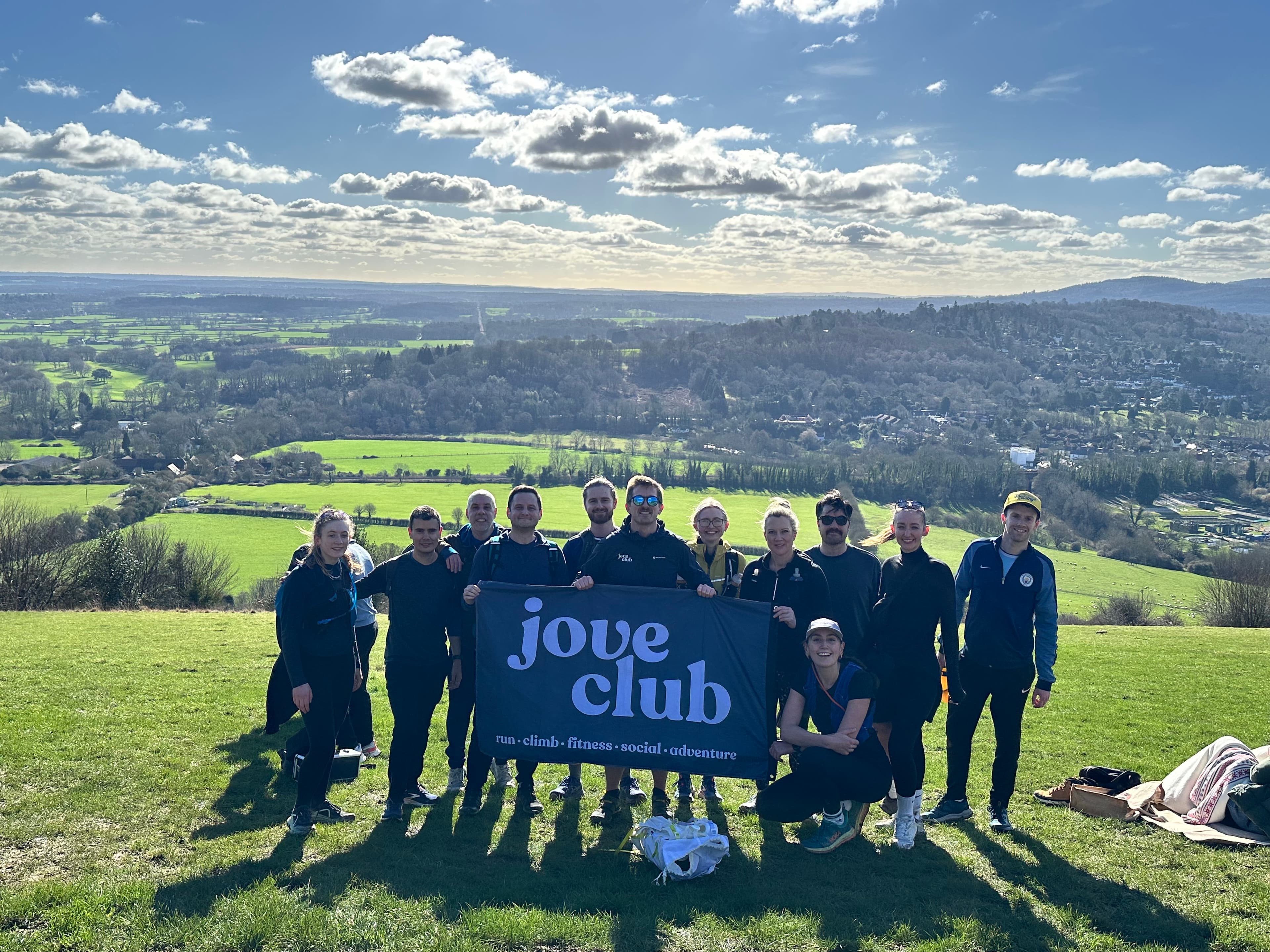
Jove Club runs a free trail run at Box Hill, a good place to start if you're in or near London and want to try trail running in a group before committing to something more serious.
Jove Club
Join the Box Hill trail run.
A free group trail run for all levels, a good place to start if you're in or near London.
View the Box Hill run
Freddie Sankey
Founder of Jove Club
Freddie founded Jove Club after six years as a Royal Marines officer and six more in finance. He's a qualified outdoor instructor and running coach, guides many of the Jove trips himself, and trains with the group in London every week. In his spare time he's drawn to mountaineering, physical challenges and multi-day adventures.
More about Freddie →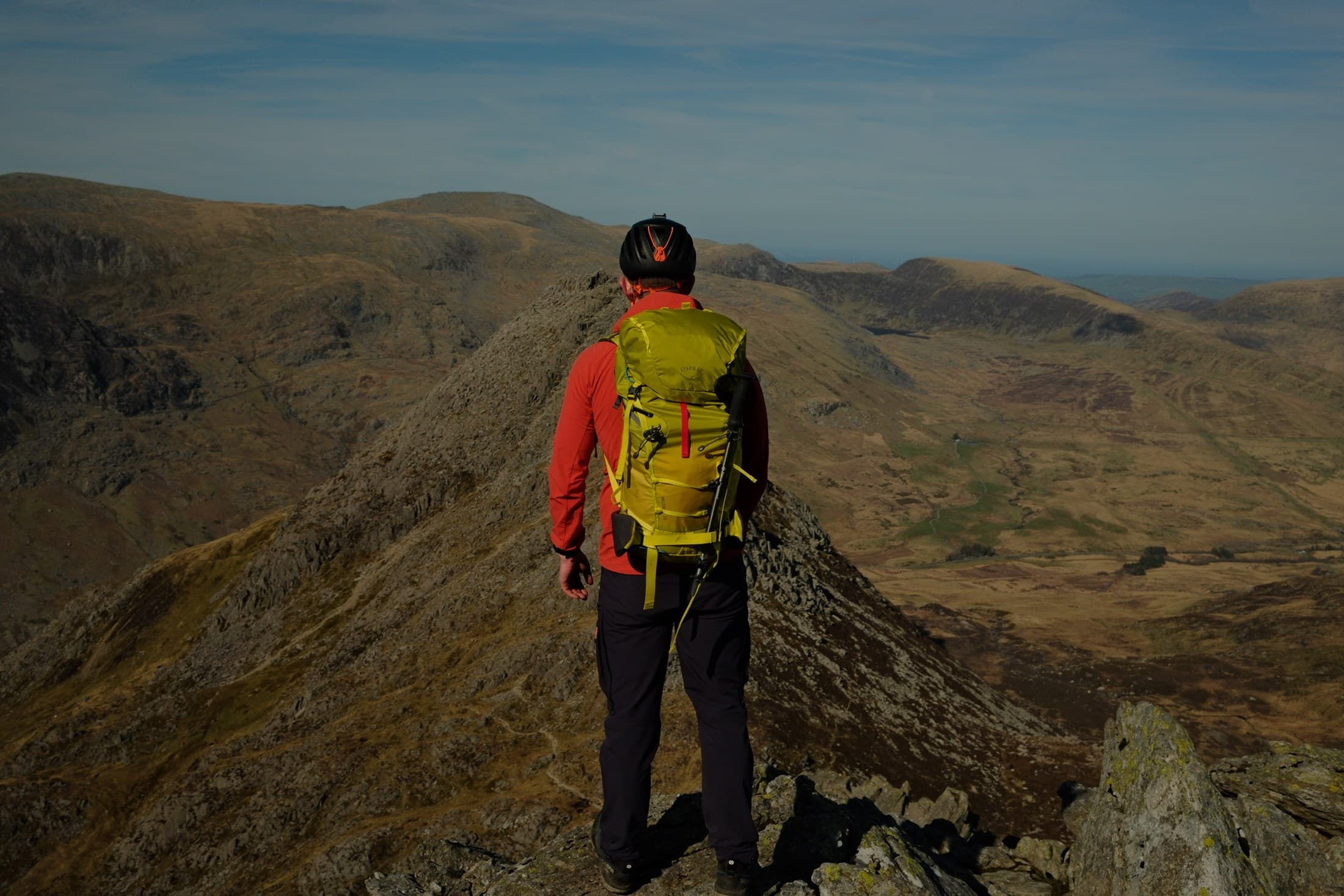
Ready for the real thing?
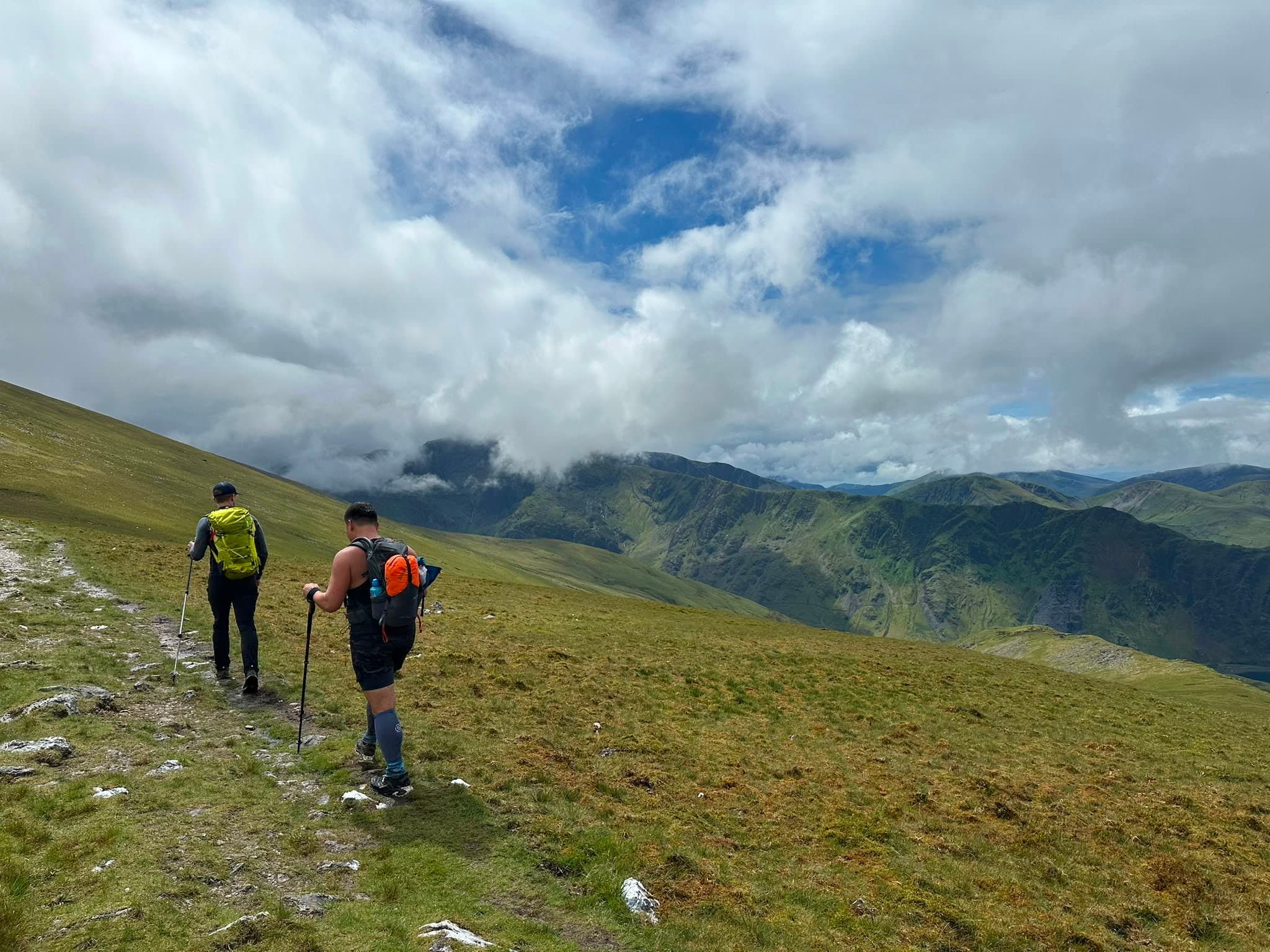
See what trips are coming up.
Guided by qualified instructors. Small groups. All abilities.
Browse trips