By Freddie Sankey · Founder of Jove Club
How to eat for a long day in the mountains
Nutrition is surprisingly simple, yet people overcomplicate it, give misleading advice, or follow fads. A straightforward set of principles that work.
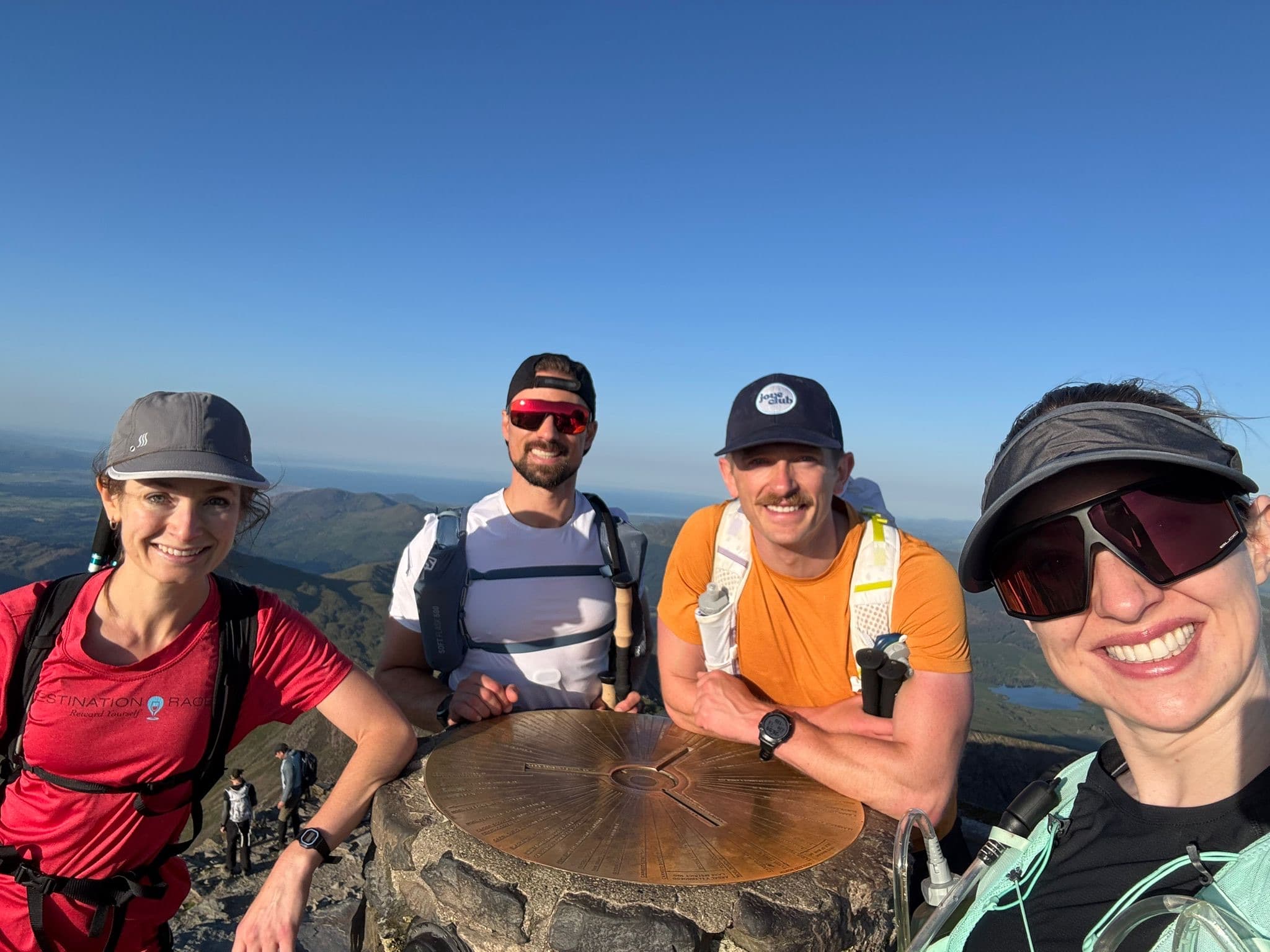
Nutrition is very important to get right and also surprisingly simple, yet people overcomplicate it, give misleading advice, or follow fads. I'm not a nutritionist or dietician, but with a pharmacology degree and a lot of reading on the subject, I've got a reasonable understanding. The reality is: none of what I'm about to tell you should be shocking. I'm teaching you to suck eggs, because you already know this.
This is also where your diet and that of an elite athlete should differ somewhat. For the vast majority of people, the focus should be on health over everything. Yes, you need to fuel your body, but it's more important to optimise your diet for all-round health and longevity. I'd like to still be doing the things I love well into my later years. I suspect you would too.
The principles
No fads
The same rule that applies to training applies to nutrition. Please avoid things like the carnivore diet or anything else that's super-restrictive. Of course people feel good for a bit on these diets, they lose weight, and by being so restrictive, make it easy to avoid really unhealthy foods. But think about what they miss out on by cutting entire food groups.
Use common sense, not Instagram
If you want to look at research on diet, make sure it's top quality, generally randomised controlled trials, proven in humans (not rats), and preferably not sponsored by someone with an agenda. Better still, just use common sense.
The 80/20 rule
Try to stick to an 80/20 rule: 80% of the time eat really well, 20% of the time eat what you want or have access to. Remember what we're training for, adventure. Chances are you'll be eating whatever is most convenient on long days. We're not after perfection. We're after something you can do consistently.
Eat whole foods
None of this is new and all of it is simple: get variety into your diet. Lots of plants, herbs, nuts, seeds, fruits, vegetables, legumes. Some meat, some fish, some dairy, some eggs, quality grains. Ignore foods with "health halos" claiming they're healthy because they're high protein or have added vitamins. Look at a packet of apples or avocados, do they have health claims on them? No. They don't need them.
Avoid ultra-processed food where possible
"UPF" is the latest thing for influencers to attack, but I don't think it falls into the fad category. I eat ultra-processed foods most weeks, sometimes it's unavoidable. But if it makes up most of your diet, you should rethink.
Eat the rainbow
Variety, especially seasonal variety, is key. Different plants have different fibres and compounds that different strains of gut bacteria need. Keep changing things up.
Don't drink too much
This one is obvious. Alcohol ruins training and is terrible for your health. That being said, if you like a few drinks every now and then, go for it. We want to enjoy life to the max and it's all about balance.
Prioritise protein and fibre
For general health, prioritise these two things. Roughly 0.7-1g of protein per lb of bodyweight. For fibre, aim for 30g per day. The studies on the benefits of fibre are so conclusive they shouldn't be ignored, small increases in daily fibre significantly reduce all-cause mortality, and thanks to ultra-processed foods, most people don't eat enough.
Don't forget quality fats and carbs
Carbohydrates fuel your training. When you increase training intensity in Phase 2 of the macrocycle, make sure you're eating enough carbs. Quality fats are easy: extra virgin olive oil, avocados, nuts, fatty fish, eggs, and seeds all contain the fats you need.
Eat a lot on adventure days
Long adventure days in the elements, hiking, mountaineering, mountain biking, burn a lot of energy. You mustn't let your blood sugar or energy levels dip at all. Countering this is simple: eat frequently. If I'm doing something really arduous, I'll eat every 30 minutes.
Ignore gels on mountain days, save them for races where you can't physically stop and eat. Eat actual food. Sandwiches, flapjacks, fruit, nuts, cheese.
Drink plenty of water
You don't need to be extreme about this, carrying one of those 3-litre gym-bro bottles everywhere isn't necessary. But ensure you drink enough to support training and avoid getting too thirsty. You know this already.
That's it
You don't need to calorie count, macro count, cut out whole food groups, or do any other nonsense. Just eat a variety of whole foods until you're not hungry anymore. Eat a little more on arduous adventure days or hard training weeks. Prioritise protein and fibre. If you need to lose weight, eat less. Don't stress.
There are of course a few exceptions, the later stages of marathon prep, for example, but otherwise, that's genuinely it. Simple and consistent beats complicated and perfect every time.
Jove Club
Combine it with the right training.
Jove Club builds training plans around your adventure goals, the other half of the equation.
See the training programme
Freddie Sankey
Founder of Jove Club
Freddie founded Jove Club after six years as a Royal Marines officer and six more in finance. He's a qualified outdoor instructor and running coach, guides many of the Jove trips himself, and trains with the group in London every week. In his spare time he's drawn to mountaineering, physical challenges and multi-day adventures.
More about Freddie →
Ready for the real thing?
See what trips are coming up.
Guided by qualified instructors. Small groups. All abilities.
Browse trips