By Freddie Sankey · Founder of Jove Club
Mountain weather: what to check, what it means, and when to turn back
Weather impacts every adventure. Mountain conditions can change fast and extremes are much more severe than in the valley. How to read a forecast and make the right call.
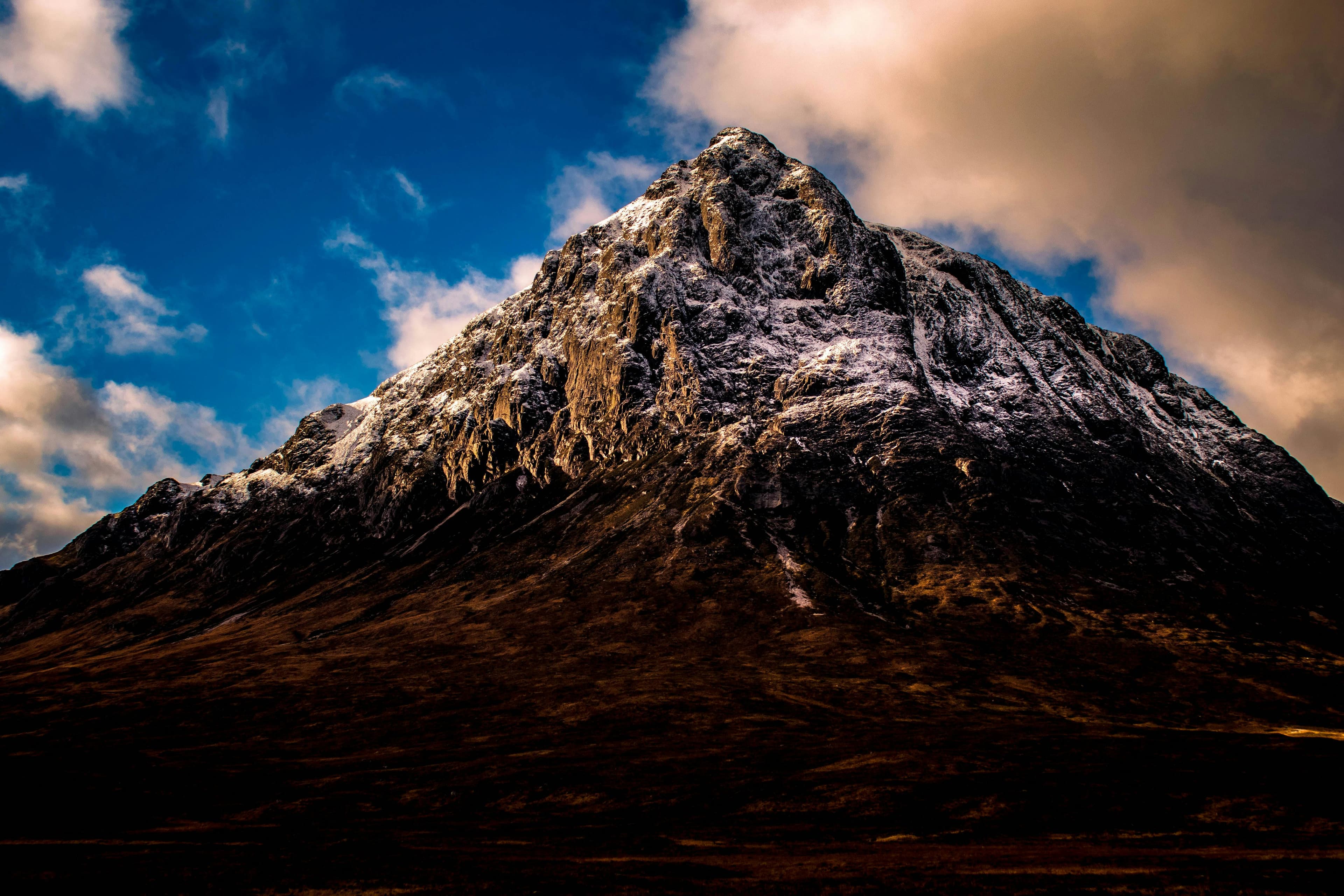
You can't escape it. Weather impacts every adventure activity, no matter what you do or where you go. And on mountains specifically, you can't assume the forecast you checked at sea level tells you what conditions will be like at 900 metres.
Why mountain weather is different
It's colder at the top
Mountain tops are colder because the air pressure is lower at higher altitude, causing the air to expand and cool. As a rule of thumb, it gets one degree colder every 100 metres you ascend, technically it's 0.65 degrees, but plan on one degree because wind chill will make it feel colder. A 1,000m summit can easily be 10 degrees colder than the car park.
The weather is turbulent
Mountains force air to rise, cool, and condense, creating clouds, wind, and rain that can change quickly. Their height and shape also disrupt air currents, so weather can shift fast from one side of a mountain to the other. This is why conditions on mountain tops are so often dramatically different from the valley.
The four things to watch
Wind, the most underestimated factor
It's almost always windier on mountain tops than it feels when you first get out of the car. Wind speed and direction matter enormously, especially if you're planning to cross a narrow ridge. Here's a practical guide:
- •0-15 mph: negligible effect
- •15-25 mph: you'd notice the wind, but mobility is not significantly impacted
- •25-35 mph: begins to make walking difficult. Ridges to be taken with caution.
- •35-55 mph: walking is very difficult. Strong gusts may blow you off your feet. Avoid ridges, be cautious on summits.
- •55+ mph: very challenging, near impossible to walk. Gusts likely to blow you over. Avoid summits.
Snow & ice
In the UK there's a good chance you'll encounter snow or ice on mountain tops as late as May, especially in Scotland. If you're planning a mountain ascent in winter, start checking weather and snow forecasts weeks in advance. Avalanches do happen. Assessing snowpack is beyond the scope of this guide, make sure you know, or go with people who know how to assess the risk.
Rain
If you want to get outdoors more in the UK, rain is something you just have to put up with. So long as you're well prepared with the right gear, it shouldn't cause too much of a problem. But if you're not prepared, getting wet can be more than uncomfortable, it can be a danger. I've seen people get wet and cold on the hill and just shut down. They stop thinking clearly and stop making decisions that are right for them.
Follow mountain rescue pages on social media and you'll often see people being rescued simply because they hadn't checked the forecast, let alone packed waterproof gear. Don't be one of those people.
Heat
Peak summer can surprise you. On Jove Club's first Welsh 3000s challenge, temperatures were close to 30 degrees, I drank 13 litres of water that day. Proper planning around resupply was essential. We came across a few others attempting something similar and saw them have to stop because they weren't prepared for the heat.
As a general rule: always take sunglasses, a cap, suncream, and a way to purify water on every trip, even in winter. Snow reflects up to 80% of the sun's UV rays, so you can get burned even when it feels cold or cloudy.
Where to check
Don't use a standard weather app for mountain planning. Use:
- •Mountain Weather Information Service (MWIS): the most trusted source for mountain-specific forecasts in the UK. Free. Updated twice daily.
- •Met Office Mountain Forecast: essential for anything in Scotland. Covers all main areas.
- •Met Office hourly forecasts: useful for cross-referencing wind speed at different altitudes.
Check the night before and again on the morning. Mountain forecasts are most accurate within 12-24 hours. If you're going in winter, start monitoring days in advance.
Making the call
The decision to turn back is the hardest one in mountain days, and the one where most mistakes happen. The psychological pressure of sunk cost, proximity to the summit, and not wanting to disappoint others is real and should be actively resisted.
“The mountain will be there next time. If something looks wrong and feels wrong, it probably is.”
Agree before you set off who has final say on a turn-back decision. That person's call should be respected without debate. The time to establish this is at the car park, not on the ridge.
Jove Club
Go with guides who know the terrain.
Every Jove Club trip is led by a qualified instructor who reads conditions and makes the right call.
Browse trips
Freddie Sankey
Founder of Jove Club
Freddie founded Jove Club after six years as a Royal Marines officer and six more in finance. He's a qualified outdoor instructor and running coach, guides many of the Jove trips himself, and trains with the group in London every week. In his spare time he's drawn to mountaineering, physical challenges and multi-day adventures.
More about Freddie →
Ready for the real thing?
See what trips are coming up.
Guided by qualified instructors. Small groups. All abilities.
Browse trips