By Freddie Sankey · Founder of Jove Club
The kit you need for a mountain day
Getting the right kit is key. It doesn't always have to cost a fortune, but it needs to be of sufficient quality. Here's what matters, and what people get wrong.
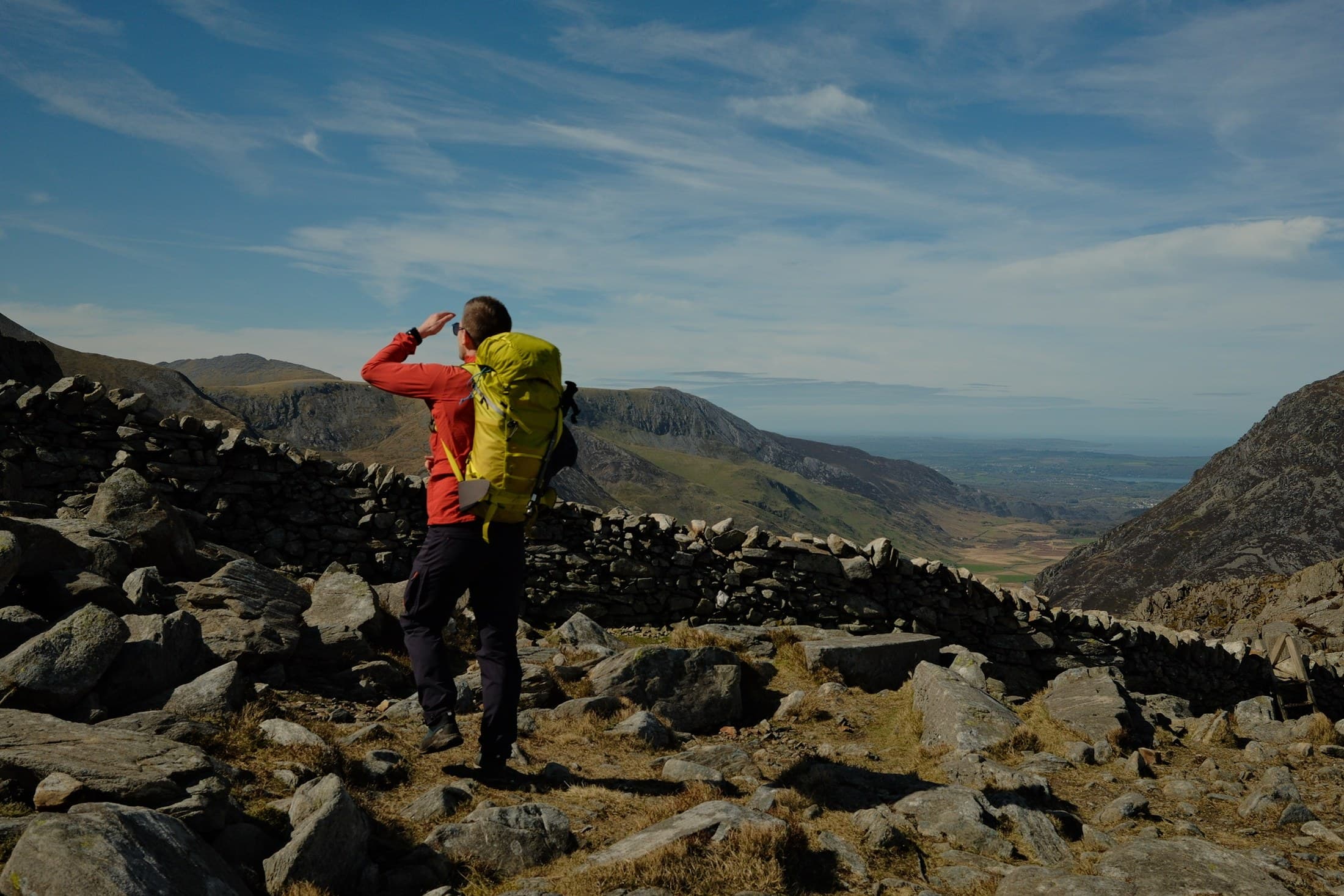
Everyone loves kit, you might just not know it yet. Getting the right gear is key to enjoying any adventure. It doesn't always have to cost a fortune, but it needs to be of sufficient quality.
This isn't a list for every activity or every situation. It's the base kit that applies to almost any mountain day, and the items people most often skimp on, overlook, or ignore.
The things people get wrong
Footwear
Nothing will ruin your day more than ill-fitting footwear. Think carefully about what ground you'll encounter, what activities you'll do, and what the weather will be like. I've seen people nervously attempting Crib Goch in winter conditions in plimsolls, with everyone else in winter boots and crampons. If the kit you need for the conditions is beyond your budget, reconsider the route.
Waterproof jacket
On almost every Jove trip I've led, someone has brought along a jacket that's not fit for purpose. One person got one for £12, unsurprisingly, no part of it worked. If you get wet on a mountain you'll have a bad day at best. This is something worth spending money on. That said, think about something that works across the range of your activities, can it be used for climbing? Skiing? Or do you only need it for hiking?
Bright clothing
A lot of outdoor kit is brightly coloured for a very good reason: bright clothing helps a rescue team find you. Ignore the fashion element and the desire to dress in all-dark clothing. All the best outdoor athletes wear something bright.
Headtorch and spare batteries
Never go onto a mountain without one. Mountains are dangerous at night, and even in lower ground, deep bogs and holes swallow ankles in the dark. Map reading is impossible without light. It's very easy to get delayed or take longer than expected, just always have one packed, even for day trips.
Gloves, more than one pair
Unless it's scorching hot, always take at least one pair. If there's any chance of rain, take two or three. They'll always get wet, a lot of people use gardening gloves as they're cheap, warm, and relatively waterproof. Wet, cold hands are no use to you.
The rest of the base kit
- •Paper map and compass, never go out without one unless you're 100% certain of the route and couldn't possibly go wrong, even in bad weather. Know how to use it.
- •Drybags, a game changer. Line your pack with a 30-40L one, then use a 10-15L and a smaller one to individually waterproof key items (warm jacket, electronics etc.).
- •First aid kit, always take a personal one. Make sure it has painkillers and foot care kit (Compede and tape). Blisters on long days are a serious morale drain.
- •Water purification tablets, roughly £10 for a full tray. Keep them in your first aid kit. Don't drink untreated water, especially in the UK.
- •Foil blanket, about £5-10. Designed to keep you warm, dry, and visible to rescuers. Weighs nothing.
- •Suncream, always take it, even in winter. Snow reflects up to 80% of UV rays, so you get burned from above and below.
- •Powerbank, keep it dry and fully charged.
- •Helmet, if you're scrambling or moving through a gully behind others, rockfall is a real risk. Plan your route and wear one if needed.
What to wear
The layering principle: base, mid, shell.
- •Base layer: moisture wicking. Merino wool is excellent, it doesn't tend to smell even after consecutive uses.
- •Mid layer: a fleece that packs small and dries quickly. Added at stops, removed when moving.
- •Outer layer: waterproof shell. This is what you spend money on.
- •Waterproof trousers: if you're only hiking, you can get something cheap that goes over your normal trousers. For winter or alpine climbing, you need something fit for the task.
- •Soft shell jacket: thin, lightweight, windproof, brilliant to run, hike, or climb in.
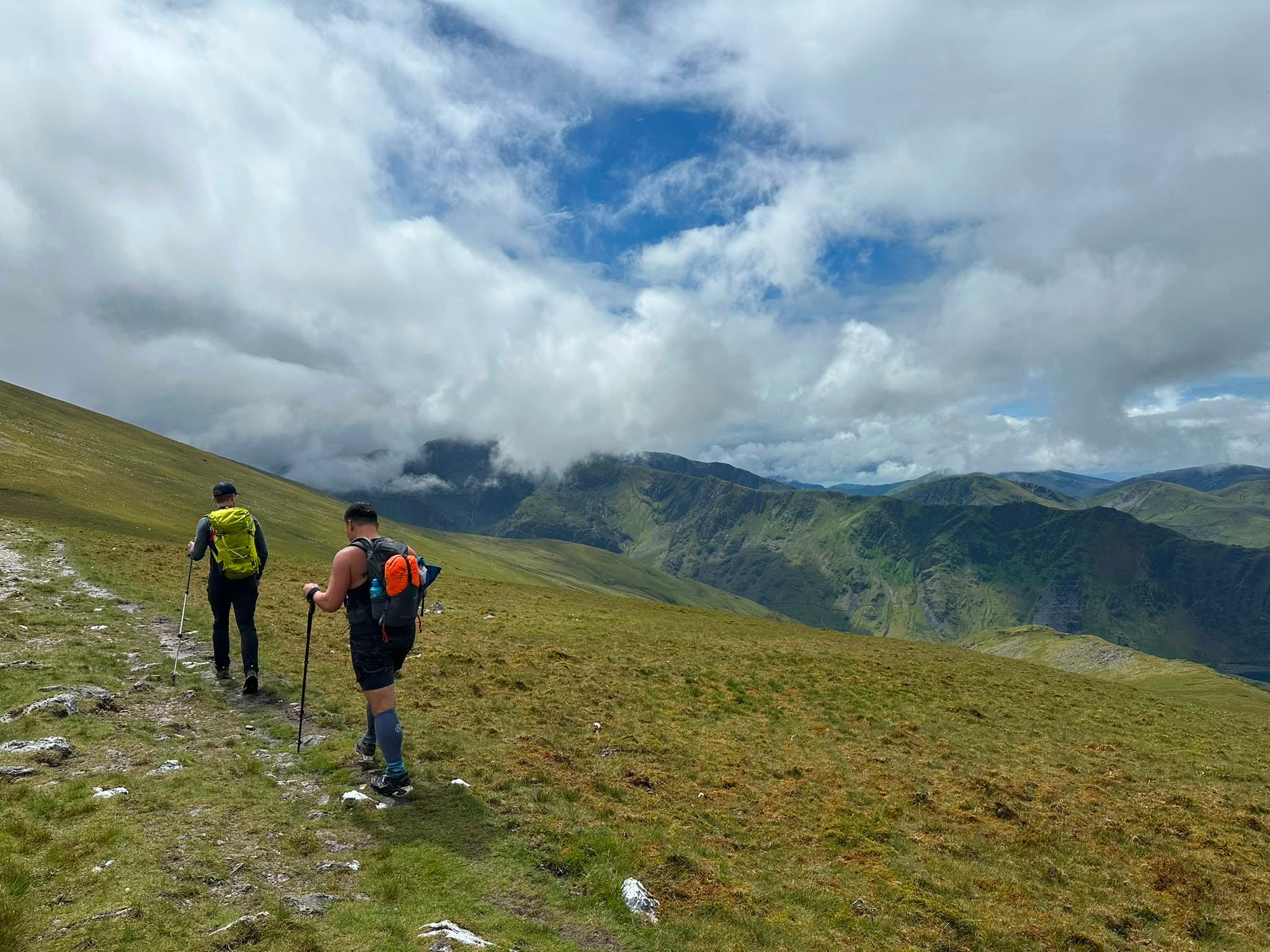
- •Poles: up to 20-25% energy saving on your legs over a big day. Ascents, descents, and obstacles are all easier. They're not just for people who need help walking.
Don't go overboard on expensive training kit, you really don't need multiple pairs of expensive running shoes or the latest technical gear to get started. One decent pair of boots and a good waterproof jacket covers 90% of what you'll encounter. Get those right first.
Jove Club
See what each trip requires.
Every Jove trip page includes a full kit list for that specific route, no guesswork.
Browse trips
Freddie Sankey
Founder of Jove Club
Freddie founded Jove Club after six years as a Royal Marines officer and six more in finance. He's a qualified outdoor instructor and running coach, guides many of the Jove trips himself, and trains with the group in London every week. In his spare time he's drawn to mountaineering, physical challenges and multi-day adventures.
More about Freddie →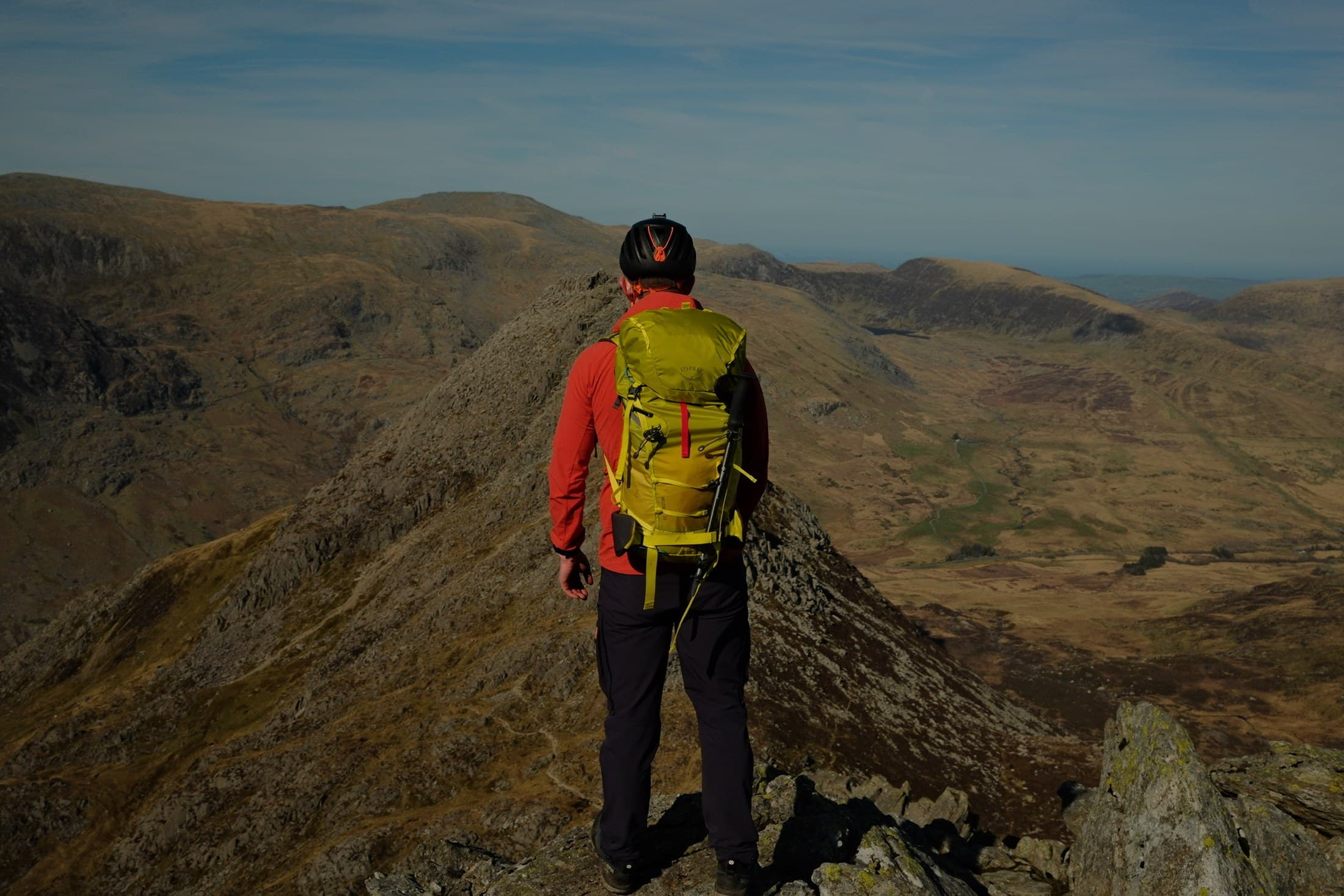
Ready for the real thing?
See what trips are coming up.
Guided by qualified instructors. Small groups. All abilities.
Browse trips