By Freddie Sankey · Founder of Jove Club
Your first scramble: what to expect and how to prepare
Scrambling is the step between hiking and climbing, hands on rock, real exposure, a completely different kind of challenge. How to approach your first Grade 1.
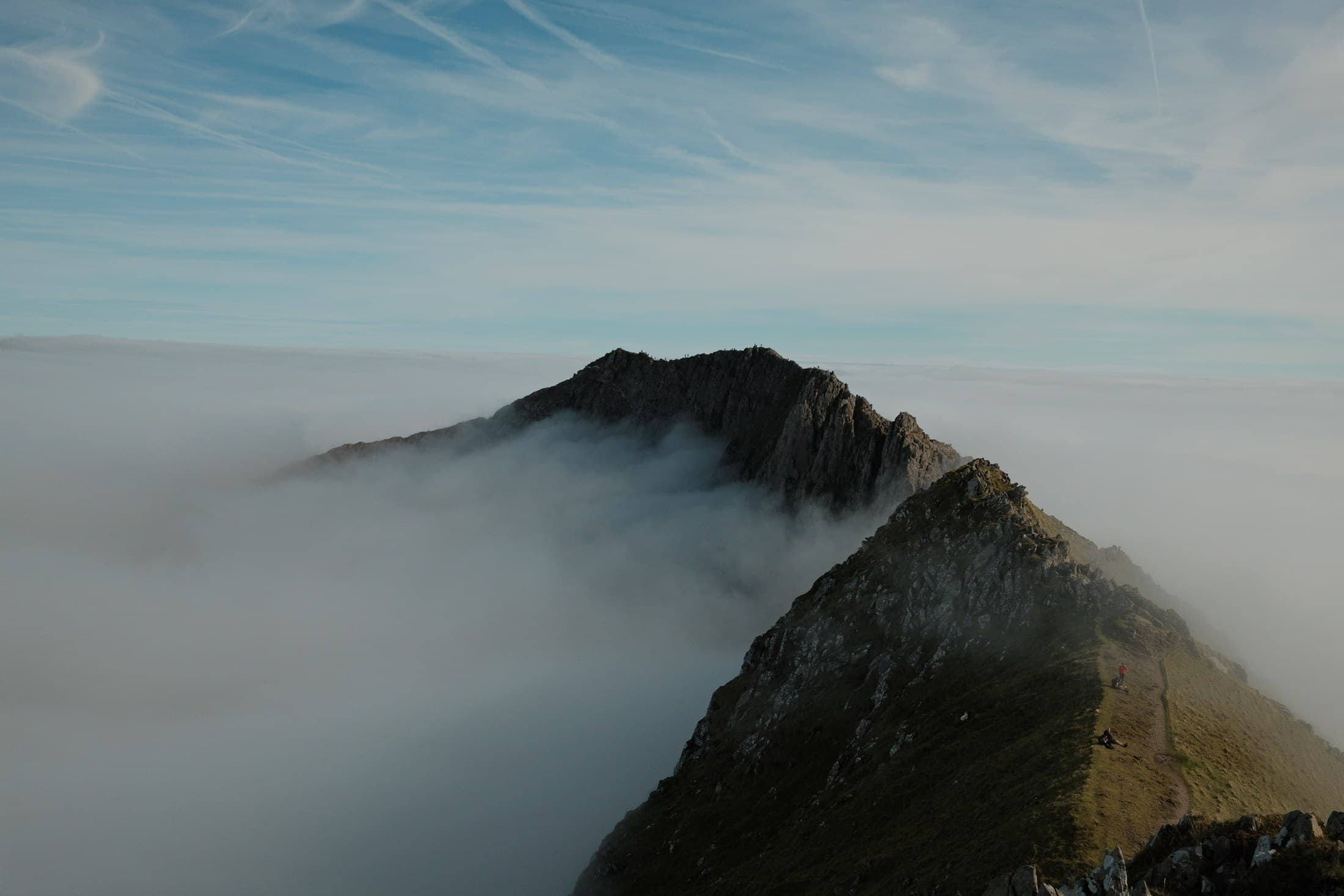
The moment you first use your hands on rock, when the path gives way to steep terrain and you have to think about where each limb goes, something shifts. Scrambling is the step between hiking and proper rock climbing, and it's one of the most rewarding progressions you can make as an outdoors person.
It's also where a lot of accidents happen. Not because scrambling is inherently dangerous, done properly, Grade 1 routes are accessible to confident hikers, but because people misjudge what they're getting into, or let group momentum carry them somewhere they're not ready for.
The grades
UK scrambles are graded 1 to 3, with rock climbing starting at Grade 4. The differences matter:
- •Grade 1: mostly walking with some hands on rock required. Some routes are easier than others. A helmet is worth considering, particularly in gullies.
- •Grade 2: a significant step up. Harder moves and more exposure. Some people prefer the confidence of a rope on sections.
- •Grade 3: essentially rock climbing. Rope and protection is standard. Not something to attempt without climbing experience.
If you don't know how to place and use protection, anything above Grade 1 (maybe Grade 2 with experience and a trusted partner) is off the table. Social media is full of people soloing Grade 3 routes and calling them easy. Don't let that calibrate your judgement. Build the skills and the experience, and make your own assessment.
Route finding: the most dangerous bit
This is where things go wrong more often than anywhere else. Being able to navigate gets you to the start of a scramble, but route finding on the rock itself is the skill of choosing which way to move as you go. Get it wrong and you can end up on terrain that's far beyond what you intended.
Tryfan in Snowdonia is the most famous example. The North Ridge is one of the best Grade 1 scrambles in the UK, genuinely brilliant, recommended for anyone building scrambling experience. But on either side of that route are serious multi-pitch rock climbs. Every year, people wander onto them, end up stuck, and have to be rescued. Some have fallen fatally.
The fix is simple: buy a guidebook. They contain annotated photos of routes, exact grid references for start points, and step-by-step descriptions. Get the book out on the hill. Take your time. There's no prize for moving quickly on rock you don't know.
Weather and conditions
Stick to dry days for your first scrambles. Wet rock changes everything, friction disappears, handholds that feel solid become unreliable, and routes that are straightforward in good conditions become genuinely serious.
On any exposed ridge, wind speed matters. A route that's manageable in light winds becomes dangerous in gusts above 25-30mph. Check MWIS the night before and again in the morning.
Kit for Grade 1 scrambling
Standard hiking kit covers most of what you need for a Grade 1. A few adjustments:
- •Footwear: don't wear trail shoes. They have flexible soles that don't allow precise foot placement on rock. Walking boots with stiffer soles give you far more confidence and control.
- •Helmet: on busier routes or anywhere with gullies, wear one. Rockfall from others above you is a real risk.
- •Gloves: useful for grip and protection on rough rock.
- •Poles: leave them behind or stow them. You need your hands free.
Three Grade 1 scrambles to start with
Tryfan North Ridge, Snowdonia
The benchmark UK Grade 1. Start from Ogwen Valley, follow the North Ridge to the summit. The route is well-described in guidebooks but requires care with route finding, don't get pulled left or right off the ridge. Dry conditions only. From London: around 3.5 hours.
Moel Siabod via Daear Ddu Ridge, Snowdonia
An excellent first scramble. Lower consequence than Tryfan, bypass options on harder sections, and spectacular views. A natural gateway for anyone making the step from hiking to hands-on terrain.
Striding Edge, Lake District
The most famous ridge walk in England, with optional scrambling on the crest. Lower technical grade than the Snowdonia routes but genuine exposure. A solid option once you're comfortable with height.
The real test
Scrambling tests your head as much as your hands. The ability to make calm decisions when you're tired and committed to difficult ground, that's the skill that develops over time and with experience.
Go with someone who knows the route for your first few scrambles. Watch how they move, where they put their hands and feet, how they read the rock ahead. That's how confidence is built, not from YouTube videos, but from time on the hill with people who know what they're doing.
“The mountains aren't going anywhere. Take your time, build your experience progressively, and the harder routes will still be there when you're ready.”
Jove Club
Build your scrambling skills with Jove Club.
The Lake District trip is designed for people building mountain skills, including technical terrain with qualified guidance.
View Lake District trip
Freddie Sankey
Founder of Jove Club
Freddie founded Jove Club after six years as a Royal Marines officer and six more in finance. He's a qualified outdoor instructor and running coach, guides many of the Jove trips himself, and trains with the group in London every week. In his spare time he's drawn to mountaineering, physical challenges and multi-day adventures.
More about Freddie →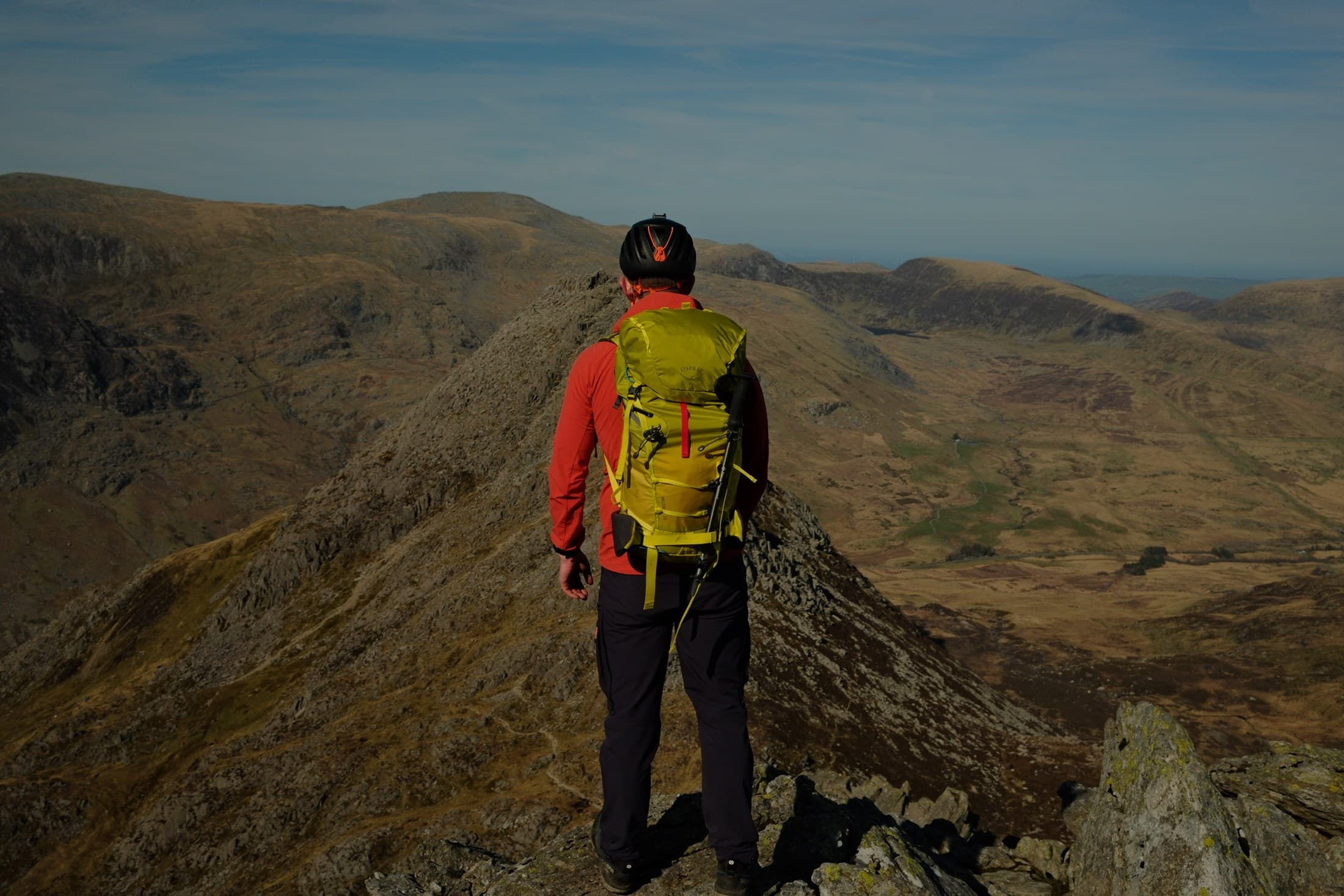
Ready for the real thing?
See what trips are coming up.
Guided by qualified instructors. Small groups. All abilities.
Browse trips