By Freddie Sankey · Founder of Jove Club
Getting into hiking: an honest guide for complete beginners
No faff, no gear lists that cost £1,000. Just the things that matter if you're starting from scratch and want to do this properly.
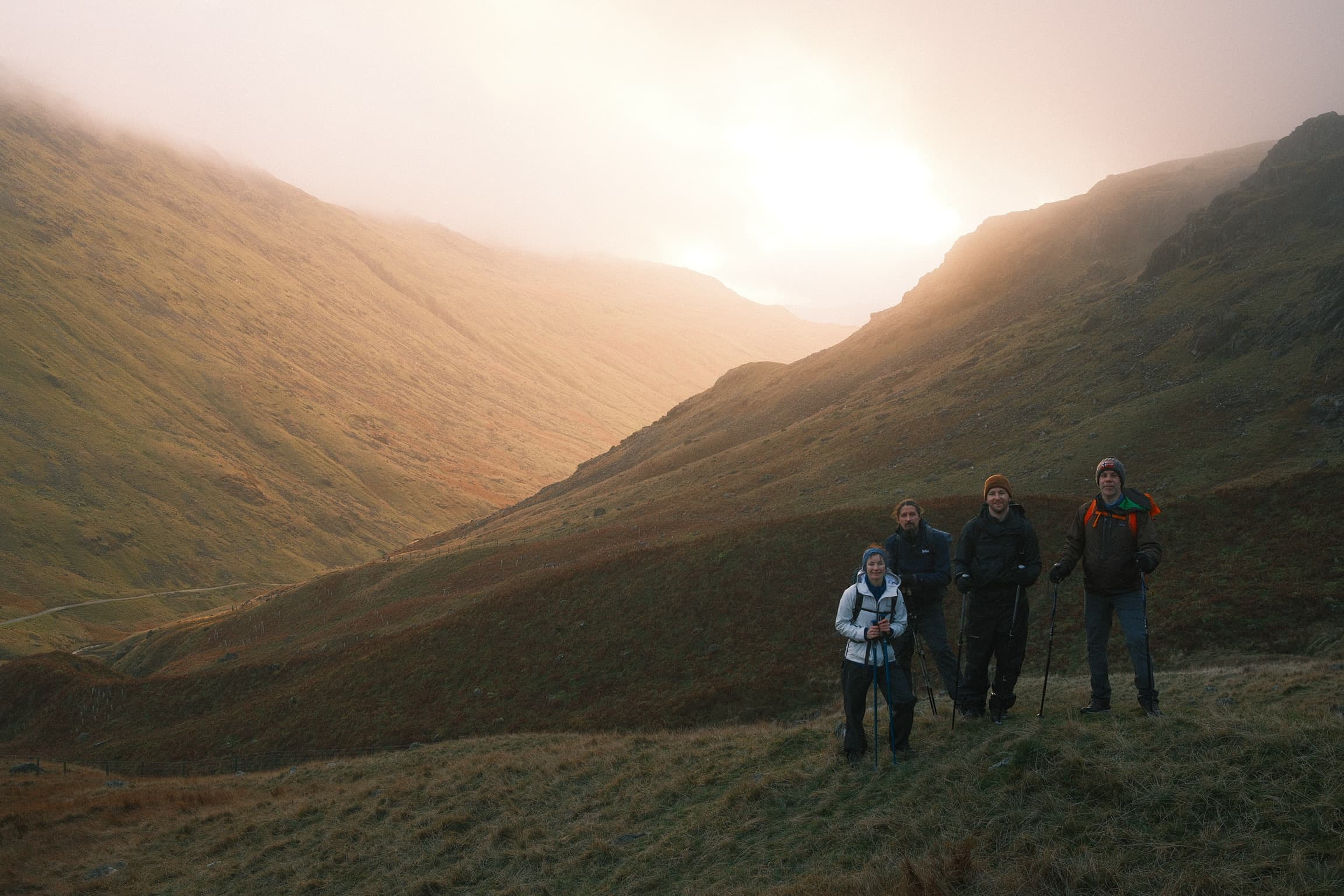
Hiking is probably the most accessible and most underrated adventure activity there is. You don't need specialist training, expensive courses, or years of experience to get started. You do need to understand a few things that most beginners get wrong, and to approach it with the same attitude you'd bring to anything else worth doing: sensibly, progressively, with a bit of humility.
Start easier than you think you need to
If you haven't hiked on a mountain before, pick a route that's shorter than you think you need, on a well-used path, in an area with other people around. Not because you can't handle something harder, but because there's a lot to learn on a straightforward route, and starting easy means your first experience is a good one.
Pen y Fan in the Brecon Beacons via Storey Arms. Helvellyn via Striding Edge (once you're ready for some height). Cat Bells in the Lake District. These are accessible, well-marked routes that give you a proper mountain experience without putting you in situations that require technical skills you don't yet have.
What people get wrong about kit
You don't need to spend a fortune to get started. But there are two things worth spending money on from day one: boots and a waterproof jacket.
Boots: get a waterproof boot with a stiff sole. Have them properly fitted at an outdoor shop, not bought online without trying. Ill-fitting boots will ruin a long day faster than almost anything else. Blisters are not just uncomfortable; on a multi-day trip they become a serious problem.
Waterproof jacket: not a "shower-proof" jacket. A proper waterproof. On almost every Jove trip, at least one person turns up with a jacket that's not fit for purpose. If you get wet on a mountain without the right gear, you'll be cold, miserable, and potentially in a dangerous situation. This is worth spending money on.
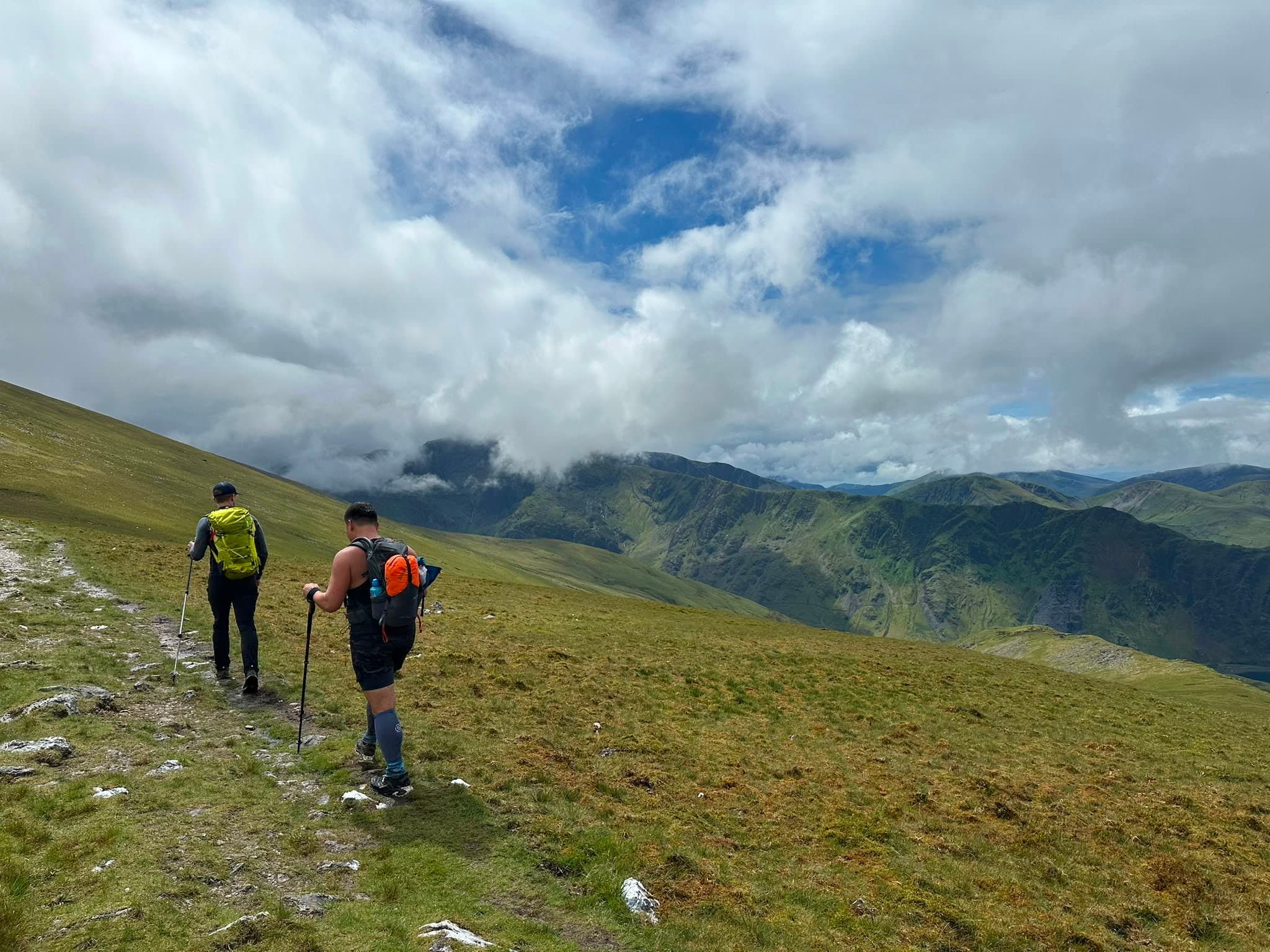
Everything else, trousers, base layers, fleece, rucksack, can be picked up gradually without spending a lot. Merino wool base layers are excellent but not essential on day one. A comfortable 30-40L rucksack is enough for most day hikes. Poles are worth trying, they save significant energy on long descents and are not just for people who struggle walking.
Navigation: more important than most people realise
Most people get started with a GPS watch or phone app and assume that's sufficient. For easy, well-marked routes in good visibility, it usually is. But apps and GPS devices don't always show enough detail, ground type, the difference between a path and a scrambling route, where a bog starts and ends. And when your phone dies or gets too wet to use, you need something that doesn't rely on a battery.
Get an OS map and learn to read it. Fold it to show your route before you set off. On the hill, put the phone away and practise reading the ground, matching what you see ahead to what the contour lines show on the map. Layer the skills: start by just orientating yourself and identifying landmarks, then practise confirming your position, then work up to navigating in poor visibility.
Navigation is easy to learn in principle and hard to master in practice. The only way to get better is to keep doing it.
The practical things people miss
- •Start cold, you'll warm up quickly and overheat if you start in too many layers.
- •Put your waterproof jacket on before you're wet, not after. Once you're soaked, it's already too late.
- •Eat before you're hungry. Energy dips on long mountain days are harder to recover from than they are to prevent.
- •Drink consistently. Don't wait until you're thirsty.
- •Always tell someone where you're going and when you'll be back.
- •Bright clothing isn't a fashion statement, it helps mountain rescue find you.
If you get lost
It's surprisingly easy, especially in thick cloud or fading light. If you feel disoriented: stop, don't panic, and don't keep wandering, it makes finding you harder. Study your map and GPS to try to reorientate yourself. If you're confident you can retrace your steps to a known point, do it.
If you genuinely can't work out where you are: blow your whistle (six blasts per minute, pause, repeat), keep yourself warm, put on anything brightly coloured. If no one comes and you're seriously stuck, call 999 and ask for Police, Mountain Rescue. They'll tell you what to do.
Build experience progressively
The best way to improve is to go out regularly and deliberately try to learn something each time, a new navigation technique, a more technical piece of terrain, a longer day, different weather conditions. The people who get most out of the mountains are the ones who approach each trip as practice, not just as a walk.
If you have friends with more experience, go out with them and ask questions. Watch how they move, how they navigate, how they make decisions. That's how this is learned, not from YouTube or a guide, but from time outside with people who know what they're doing.
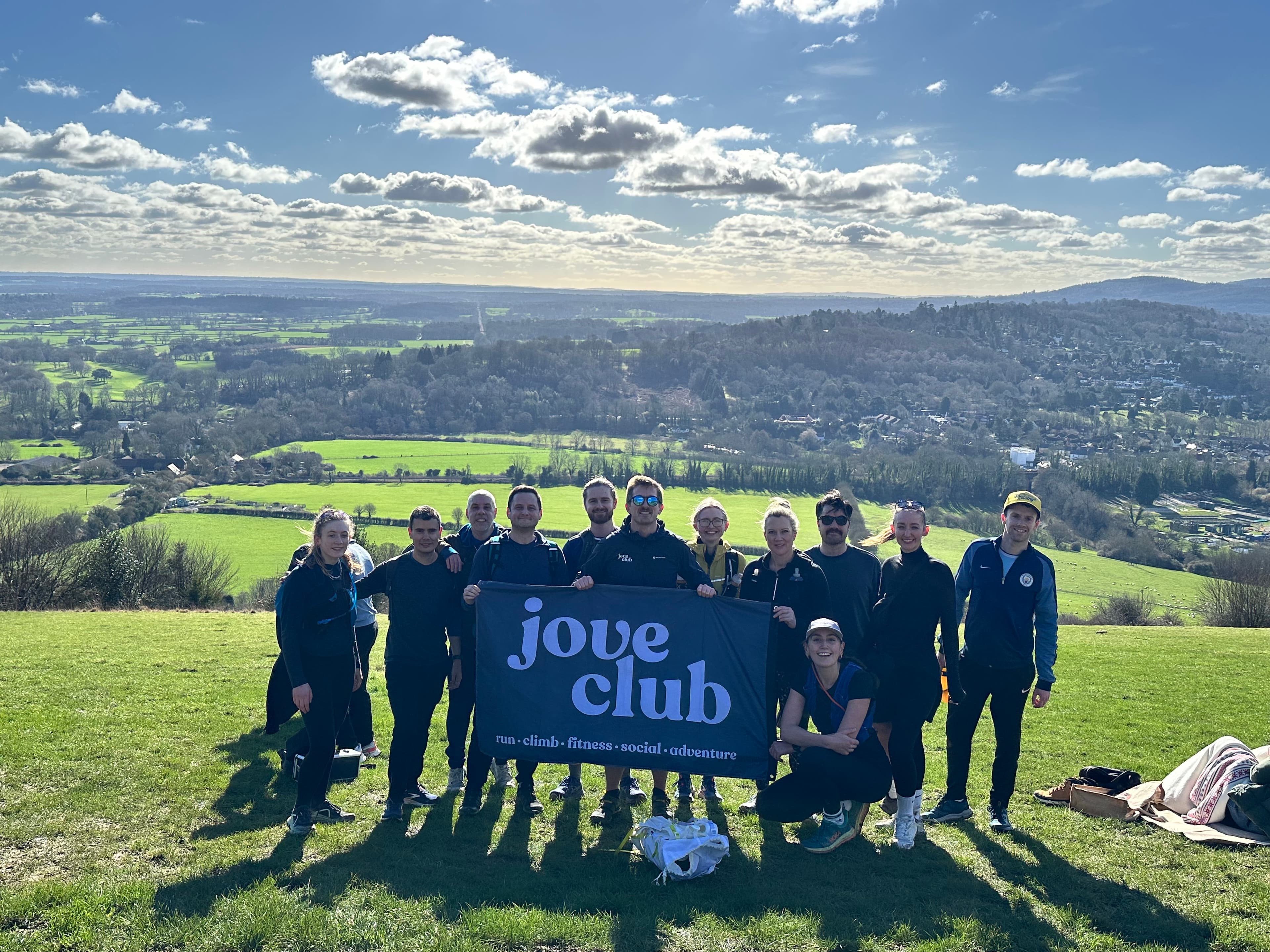
Jove Club's Tuesday sessions in London are a good entry point if you're based there and want to build fitness and meet people with similar goals before committing to a trip. You don't need to already be fit to come along.
Jove Club
Take the step into mountain terrain.
Jove Club's Lake District trip is a natural first mountain experience, guided, small group, built for people at your stage.
View Lake District trip
Freddie Sankey
Founder of Jove Club
Freddie founded Jove Club after six years as a Royal Marines officer and six more in finance. He's a qualified outdoor instructor and running coach, guides many of the Jove trips himself, and trains with the group in London every week. In his spare time he's drawn to mountaineering, physical challenges and multi-day adventures.
More about Freddie →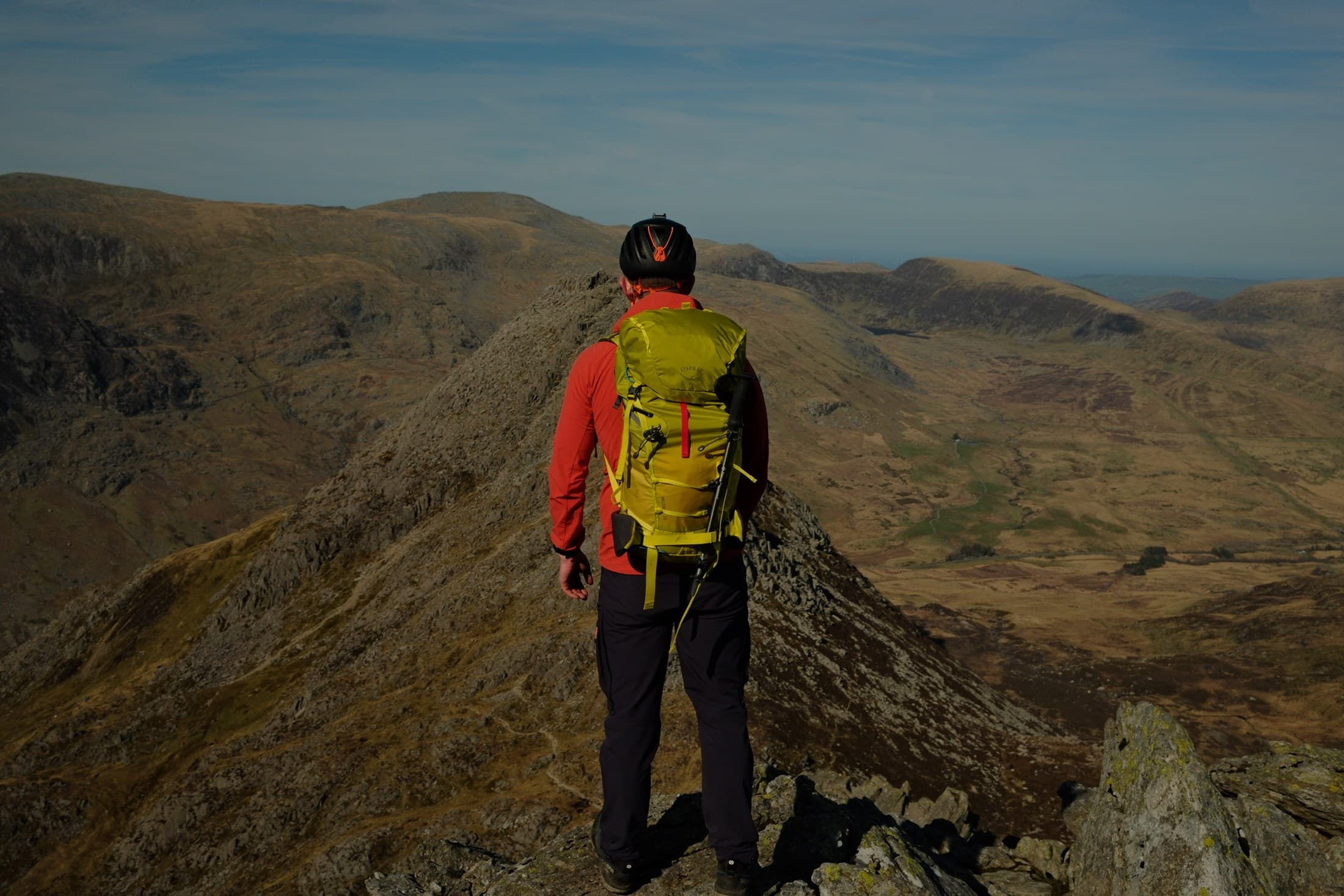
Ready for the real thing?
See what trips are coming up.
Guided by qualified instructors. Small groups. All abilities.
Browse trips