Where to Spend (and Save) on Outdoor Kit - Part 1
Once you start getting into outdoor training or mountain adventures, it’s easy to fall down the kit rabbit hole - waterproofs, packs, boots, gadgets. Before long, you’re staring at a shopping list that costs more than your holiday.
The truth is, not everything needs to be top of the line. Some bits of kit are worth every penny. Others, you can go cheaper on and never notice the difference. Here’s how to make your money go where it counts.
1. Waterproof Jacket - SPEND
If there’s one item to invest in, it’s your hardshell. A good waterproof jacket keeps you dry, regulates temperature, and can last for years if you look after it. Look for:
3-layer or GORE-TEX membranes (you don’t need ‘Pro’ unless you plan on using it for climbing, skiing, anything where there’s a chance you’ll rip it - GORE-TEX Pro is just tougher - not more waterproof)
Taped seams
A hood that moves with your head
Honestly, I’ve never seen a cheap jacket that works. Cheaper jackets tend to “wet out” - once the outer fabric soaks through, you’ll get cold fast. On UK mountains, that’s more than uncomfortable - it’s unsafe.
💰 Verdict: Spend. This is your lifeline when the weather turns. Mountain Equipment and Rab tend to have the best value GORE-TEX jackets. It’s important to remember, GORE-TEX is the company behind the technology - so the the really expensive brands are making exactly the same standard of waterproof jacket using the same waterproof technology - it might just have a few extra premium features or a bit of a different feel.
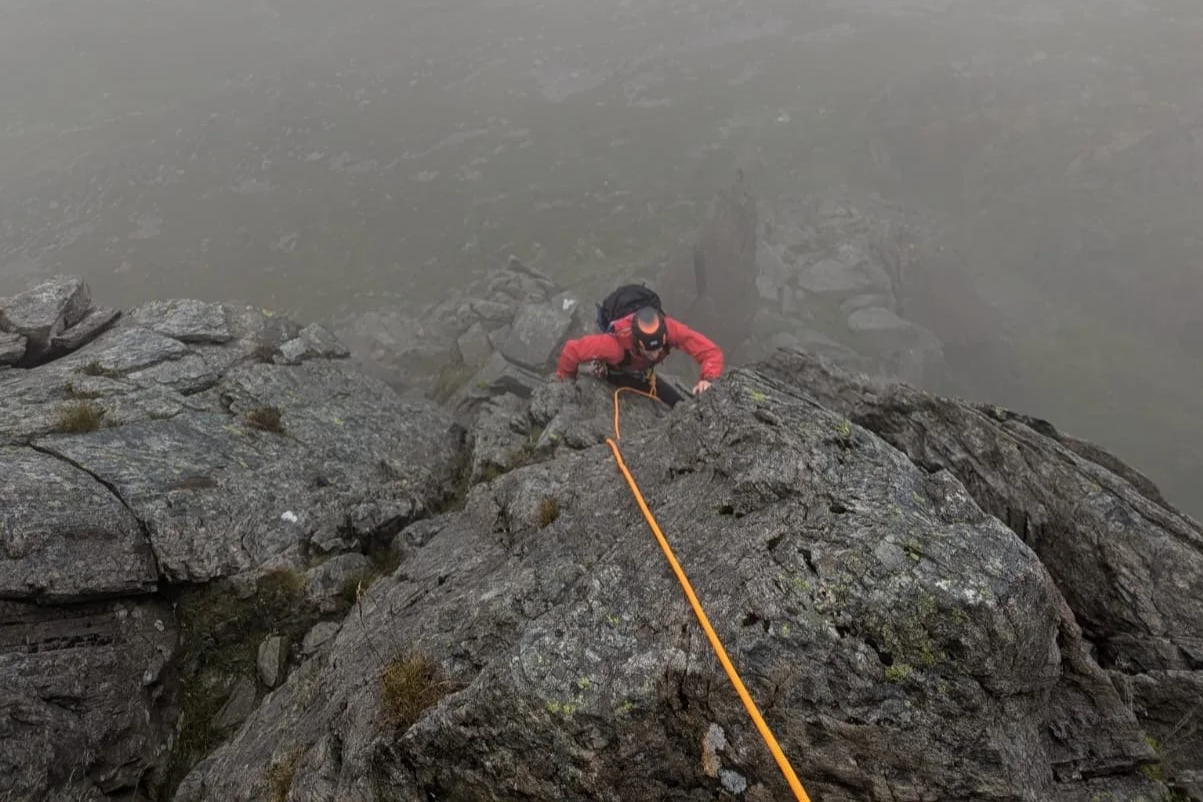
You don’t need GORE-TEX ‘Pro’ unless you plan on using it for an activity which may involve a lot of contact with rough surfaces (e.g. rock climbing, mountaineering, skiing etc.
2. Footwear - SPEND
Footwear makes or breaks your day. Whether you’re hiking, trail running, or scrambling, the right shoes will keep you moving comfortably and confidently.
Think about your main use:
For hiking or scrambling: look for sturdy soles, support, and a grippy tread. Scarpa and La Sportiva often make the best footwear for scrambling/hiking.
For trails: go lighter, with a responsive sole and drainage. From my experience, I’d avoid the brands that specialise in road shoes (Succony, Addidas, Brooks etc.) and go for a make which is more trail/adventure focussed e.g. Scarpa/La Sportiva, Inov-8, Salomon.
No single pair will do everything - but the right pair for the job makes all the difference.
💰 Verdict: Spend. Don’t go cheap on your feet and most importantly, make sure they fit well!
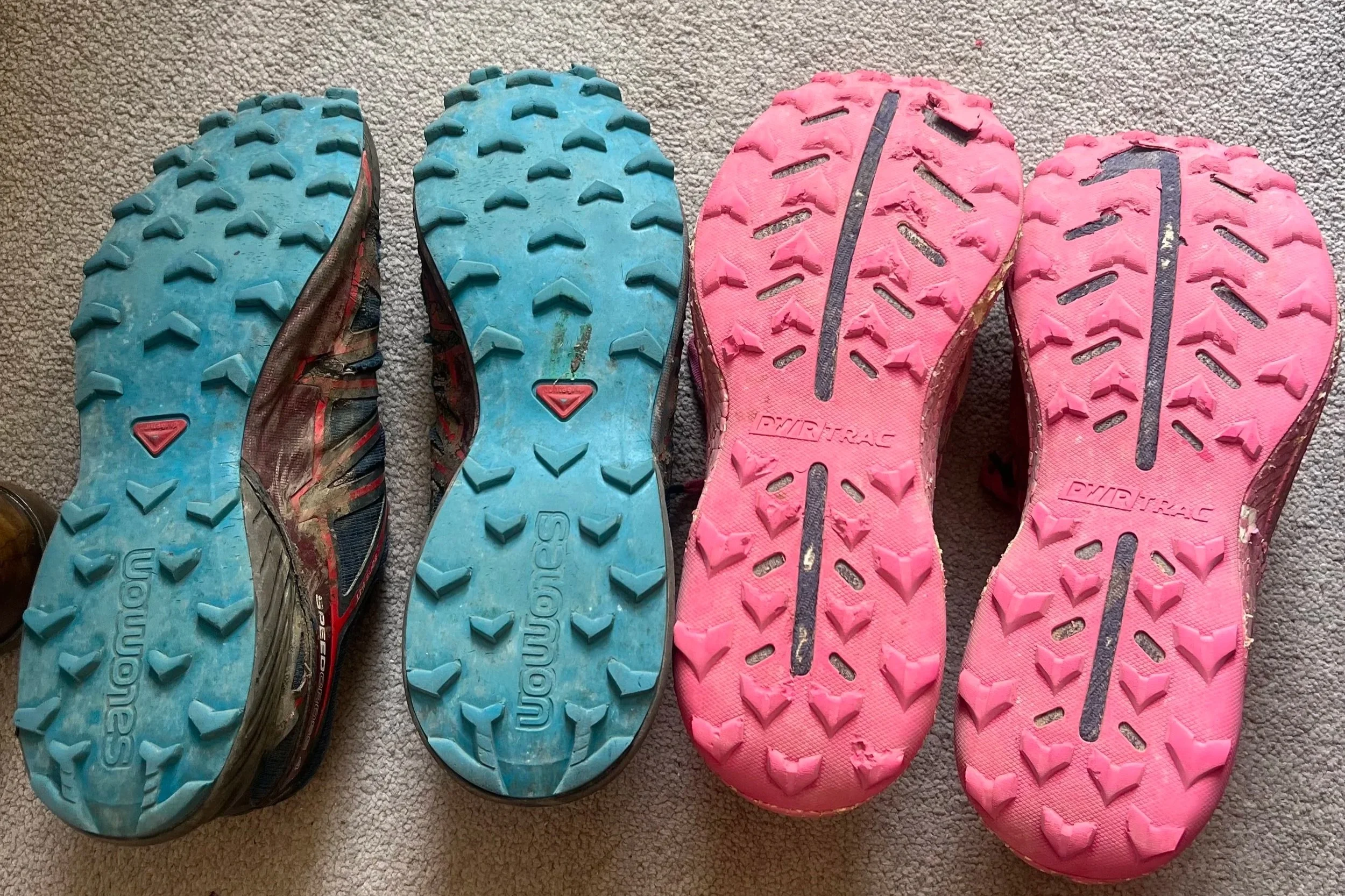
I love Succony road shoes… but buying their trail shoes was a mistake - they were destroyed after ~100 miles of trail terrain. The Salomon shoes on the other hand, have lasted since 2018 and probably lasted over 1,000 miles.
3. Base Layers - SAVE
Merino wool is brilliant for adventure. It tends not to smell which is of course ideal for multi-day expeditions. It keeps warm when wet (within reason!). It’s also very comfortable and a good merino base layer will have use across the spectrum of adventure activities.
All that being said, you don’t need an £120 merino top… I only ever buy merino wool layers from ‘cheap brands’ and it works just as well! Synthetic or merino-blend base layers also often perform just as well and dry faster in damp British conditions.
Prioritise fit and comfort - the best base layer is the one you forget you’re wearing. And steer clear of cotton.
💰 Verdict: Cheap to mid-range is perfect. Comfort over brand names.
4. Backpack - BALANCE
A good pack should feel like an extension of your body. For longer mountain days, look for structure, support, and a solid hip belt. For trail-based sessions or shorter days, go for a minimalist or vest-style pack.
You can save here if you’re carrying light loads - but once you start packing waterproofs, food, and safety gear, fit and quality become more important.
I use 3 different packs - all from Osprey:
A 20L trail running vest/pack - for short and lightweight missions
A 38L mountaineering pack - for almost any day activity (if you’re starting out, invest in getting a decent 30-40L pack and one which is versatile for lots of adventures)
A 52L expedition pack - for multi-day trips
💰 Verdict: Balance. Buy to suit your activity.
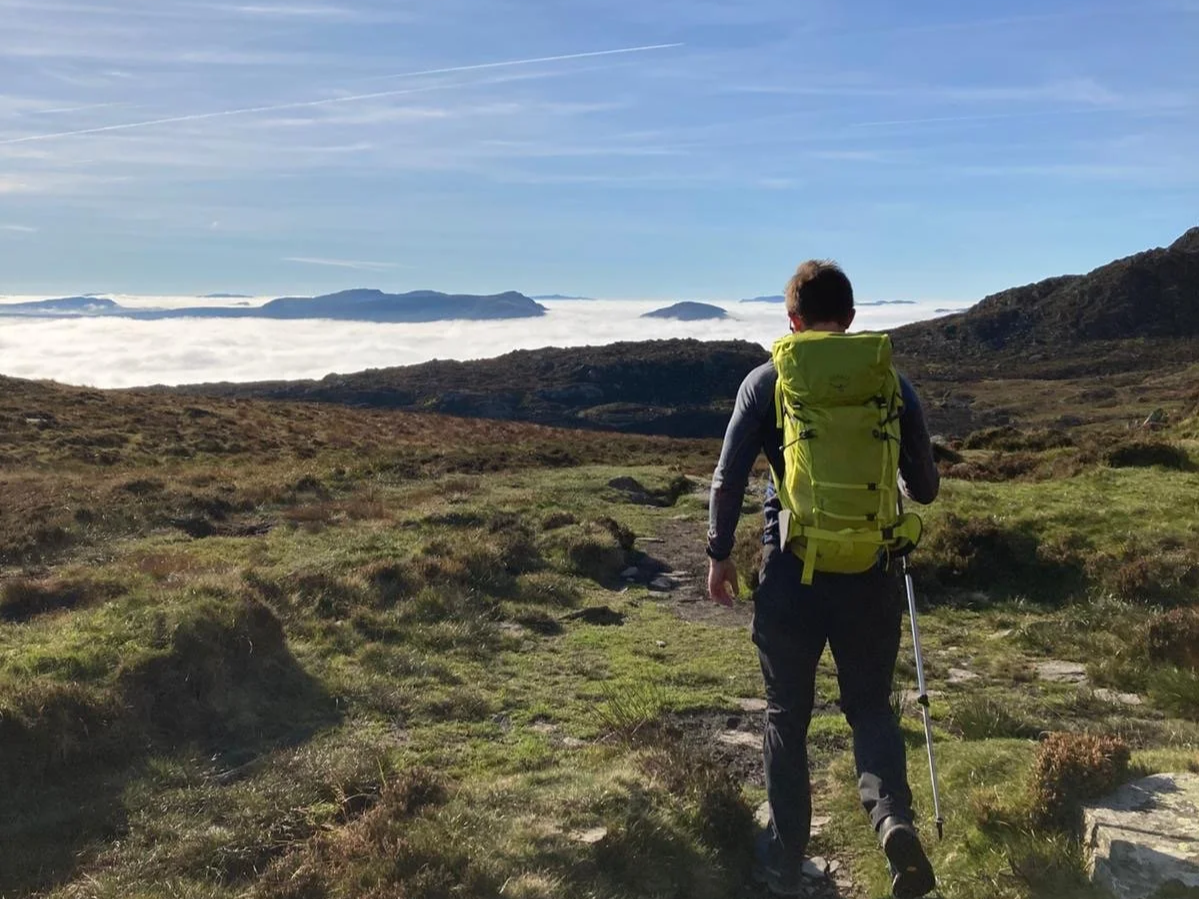
A small pack for remote running, a 30-40L one for day events and a 55-65L should cover most adventure activity!
5. Headtorch - SAVE (But Don’t Skimp on Safety)
A reliable headtorch is non-negotiable - but you don’t need to spend a fortune. Most £25–£40 models are bright enough, rechargeable, and weather-resistant.
Check for beam distance, battery life, and durability. Beyond that, it’s all extras.
I’d generally suggest sticking to a good brand and you can’t go far wrong (e.g. Black Diamond).
💰 Verdict: Save - within reason… avoid the £5 Temu model as it will let you down.
Quick Rule of Thumb
Spend on: Waterproofs and footwear
Save on: Base layers, torches, and packs (within reason).
Always prioritise fit, comfort, and function over features or fashion.
Final Thought
At Jove Club, we believe fitness and adventure should feel accessible - not gear-heavy or expensive. The right kit helps you stay safe, move freely, and enjoy every moment outdoors.
Buy smart, look after your gear, and spend your energy where it matters: getting stronger, exploring further, and sharing adventures with good people.